-
E-mail
zhangjy@hzgolong.com
-
Phone
15345888345
-
Address
9th Floor, Building 9, Beicheng Tiandi, 567 Huzhou Street, Gongshu District, Hangzhou City, Zhejiang Province, China
Hangzhou Guolang Technology Co., Ltd
New opportunities for public transportation transformation - ride hailing services: intelligent solutions to solve industry challenges
Date: 2025-11-06Read: 21
The dilemma and breakthrough direction of traditional public transportation
In recent years, the public transportation industry has faced multiple challenges: the popularity of private cars, competition from ride hailing services, and expansion of subway lines have led to a continuous decline in bus passenger flow; Traditional fixed routes and schedules are difficult to meet the fragmented and personalized travel needs of citizens; The contradiction between excess capacity during peak hours and empty load during off peak hours has intensified, resulting in high operating costs. Faced with changes in passenger demand and waves of technological innovation, public transportation companies urgently need to explore new forms of online ride hailing services to achieve a win-win situation of cost reduction, efficiency improvement, and user value through intelligent and flexible services.
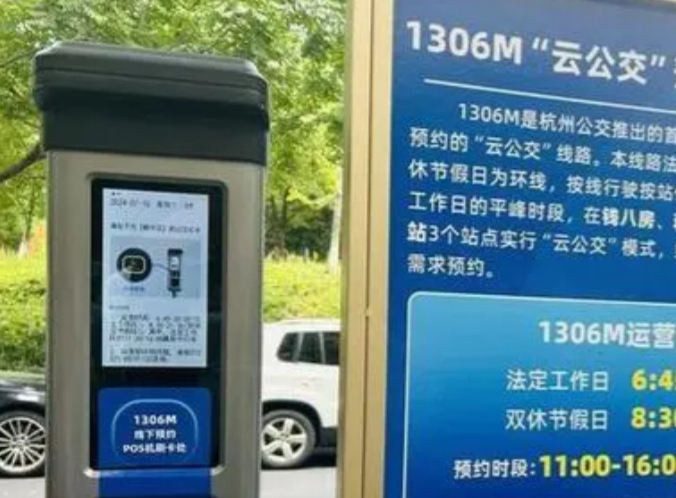
1、 The necessity of ride hailing services: why do bus companies have to lay out their services?
1. Demand side: User travel habits have changed and there is an urgent need for precise services
In the post pandemic era, citizens tend to prefer a travel mode of "less gathering and less waiting", leading to a surge in demand for flexible and direct public transportation services.
Scenarios such as tidal commuting, dispersed nighttime travel, and diversified urban-rural connectivity demand call for dynamic response capabilities.
(Data support: According to statistics from the Ministry of Transport, the daily average passenger volume of public transportation in 2023 will decrease by about 30% compared to 2019, but the demand for customized travel will increase by more than 50%.)
2. Supply side: Traditional models have reached their peak in efficiency, resulting in serious resource waste
There are many blind spots covered by fixed lines, and inefficient lines running empty for a long time result in energy and manpower waste;
Vehicle scheduling relies on manual experience, making it difficult to match supply and demand in real time, and the contradiction of mismatched transportation capacity during peak hours is prominent.
3. Policy side: an inevitable choice under the smart transportation strategy
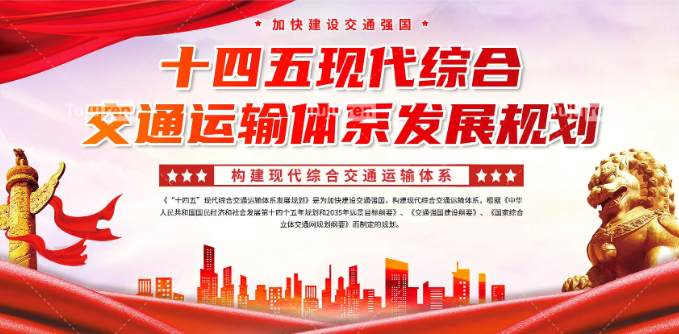
The national "14th Five Year Plan" for the development of modern comprehensive transportation system clearly requires the promotion of intelligent and customized transformation of public transportation;
Many local governments have included "ride hailing public transportation" in the pilot of urban transportation new infrastructure, with supporting subsidy policies.
2、 The core advantage of ride hailing services: how to create value for public transportation companies?
1. Intelligent scheduling, reducing costs and increasing efficiency
Integrating real-time orders through AI algorithms, dynamically planning the optimal path and vehicle allocation, and reducing empty driving rates by 10% -30%;
Flexibly adjust vehicle models (such as small and medium-sized buses), reduce waste of large vehicle resources during off peak periods, and comprehensively save operating costs by more than 15%.
2. Dynamically respond to demand and expand the incremental market
Covering scenarios such as commuter lines, campus shuttle buses, night carpooling, and tourist charter buses, attracting young people and high willingness to pay users;
Launch "appointment travel" and "dynamic carpooling" functions to address long tail needs such as urban-rural connections and park travel.
3. Data driven decision-making to enhance service stickiness
Accumulate user travel data into accurate portraits, optimize route planning and marketing strategies;
Real time feedback, points system, and membership benefits on mobile devices enhance user activity and build a closed-loop public transportation service ecosystem.

3、 Promotion Path of Online Ride hailing Bus: How can bus companies implement it?
Phase 1: Pilot verification, rapid iteration
Select demand concentrated areas (such as high-tech zones and university towns) to open 1-2 online ride hailing routes, and provide appointment services through mini programs/apps;
Adopting the "dynamic pricing+government subsidies" model, test the user acceptance and cost model.
Stage 2: Technical Empowerment, Platform Upgrade
Introduce mature SaaS platforms or self built scheduling systems, integrating order management, path optimization, and vehicle monitoring functions;
Collaborate with map service providers and payment platforms to optimize user experience and payment convenience.
Stage 3: Model replication and ecological extension
Promote successful cases on a large scale to the whole city, forming a complementary network of "trunk line+online micro circulation";
Explore B-end cooperation (such as enterprise charter, scenic area shuttle), and open up diversified revenue channels.
4、 Success Stories: The Experience and Returns of Pioneers
Jinan Public Transport "Love Bus": Within 3 months of its launch, the daily average order volume exceeded 10000, user satisfaction reached 92%, and the utilization rate of vehicles during peak hours increased by 40%;
Qingdao's "Dynamic Public Transportation": Through a hybrid model of "demand response+fixed stations", the monthly revenue of a single line increased by 25%, and won the provincial-level Smart Transportation Innovation Award;
Changzhou's "Cloud Bus": an attempt to reform the demand side of travel, taking into account the needs of the special group of "one elderly and one young", achieving age friendliness, and receiving praise from citizens.
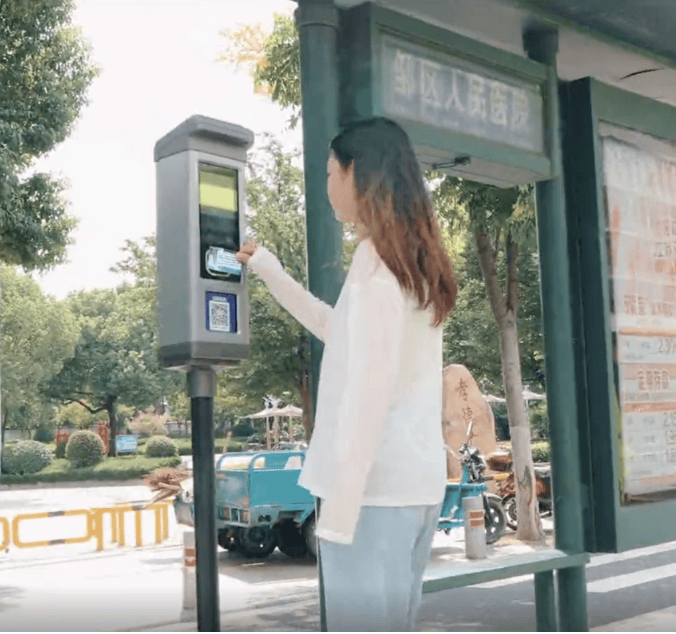
The key to the future breakthrough of the online ride hailing bus industry
In the current fiercely changing travel market, ride hailing services are not only a product of technological upgrades, but also a strategic choice for bus companies to shift from "passive transportation" to "active service" and from "resource consumption" to "data-driven". It redefines the boundaries of public transportation services and opens up a new track for sustainable growth for the industry.
Public transportation companies can seize policy dividends and technological window periods, using ride hailing services as a pivot to leverage the value of existing resources and reshape urban travel competitiveness. Guolang is willing to work with industry partners to jointly build solutions and help public transportation move towards a new era of intelligence and humanization!