-
E-mail
1769283299@qq.com
-
Phone
15666889252
-
Address
Room 110, 1st Floor, Workshop 3, Oulong Technology Park, No.1 Jinma Road, Yuqing Community, Xincheng Street, Weifang High tech Zone, Shandong Province
Shandong Boke Instrument Co., Ltd
Buoy water quality monitoring system: integrating multiple functions to create a powerful tool for water quality monitoring
Date: 2025-12-11Read: 45
Buoy water quality monitoring system: integrating multiple functions to create a powerful tool for water quality monitoring. BK-SFA04 Shandong Boke Instrument Manufacturer is continuously updating. In the key areas of water resource protection and management, the buoy water quality monitoring system, with its versatile features, has become a powerful tool for efficient and accurate water quality monitoring, playing an irreplaceable role in safeguarding the ecological security of water bodies.
The buoy water quality monitoring system has comprehensive and accurate monitoring functions. It is equipped with an X-input sensor array, which can simultaneously monitor many key water quality parameters such as water temperature, dissolved oxygen, pH value, conductivity, turbidity, ammonia nitrogen, chemical oxygen demand (COD), etc. in real time. These parameters comprehensively reflect the physical, chemical, and biological characteristics of the water body. By accurately capturing their subtle changes, the system can provide detailed and reliable data support for water quality assessment.
This system has powerful data processing and analysis capabilities. The built-in intelligent chip can quickly process and analyze a large amount of collected data, using advanced algorithm models to explore potential information behind the data, such as water quality trends, pollution source tracing, etc. At the same time, it can automatically generate intuitive reports and charts, allowing managers to have a clear understanding of the water quality status at a glance.
In addition, the buoy water quality monitoring system has efficient communication and warning functions. Through the wireless communication module, it can quickly transmit real-time data to the management platform for remote monitoring. Once the water quality parameters exceed the safety threshold, the system will immediately trigger an early warning mechanism and notify relevant personnel through various means such as SMS, email, sound and light alarms to ensure timely response measures are taken.
The buoy water quality monitoring system, with its advantages of multifunctional integration, precise monitoring, intelligent analysis, and timely warning, has become a powerful tool in the field of water quality monitoring, providing solid guarantees for water resource protection and sustainable utilization.
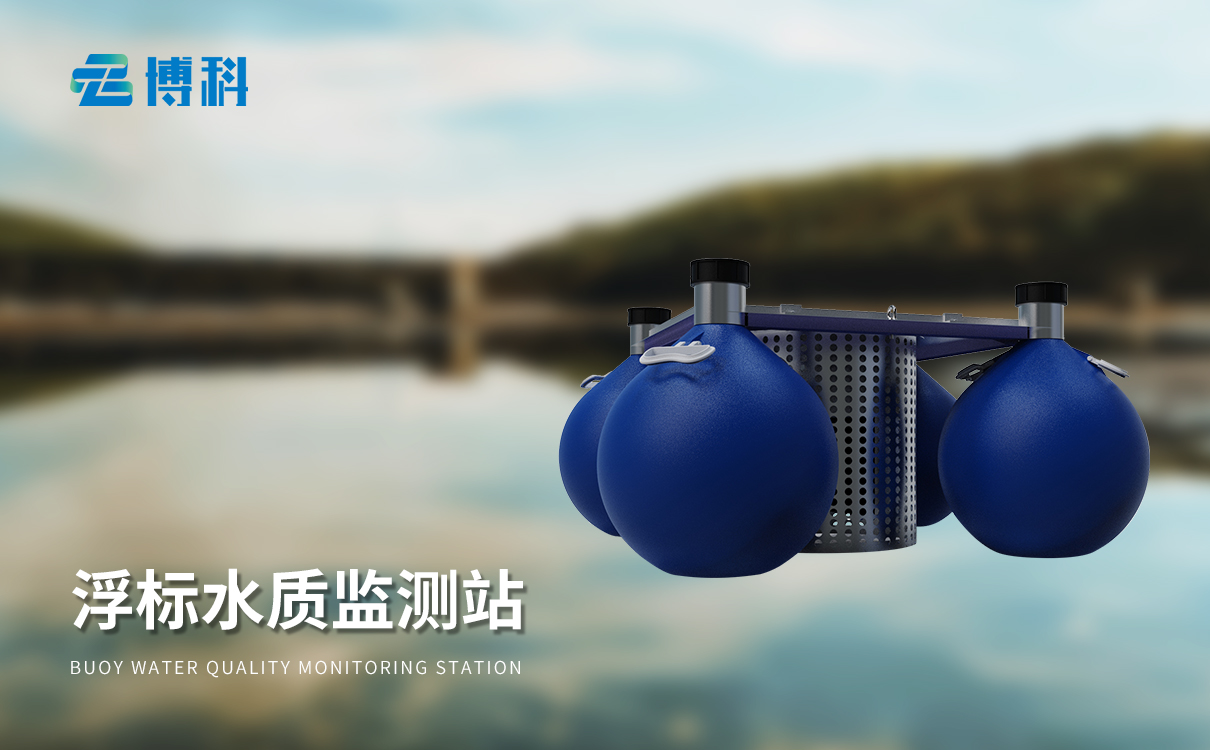
1、 Product Introduction
1. The SFA water quality float monitoring station is an unmanned collection system that integrates data collection, storage, transmission, and management. It is a hydrological automatic monitoring and reporting system aimed at industrial and agricultural production, tourism, urban environmental monitoring, geological disasters, flood control, water supply scheduling, power station and reservoir water management, etc; The powerful upper computer software can remotely observe real-time water and rain information, with functions such as database, report, and download. Users can also use the comprehensive meteorological software to further process and analyze the recorded data.
The SFA04 buoy consists of six parts: water quality sensor (water temperature, conductivity, pH, dissolved oxygen), data acquisition instrument, communication system, power supply system, overall bracket, and water quality monitoring platform. At the same time, it can expand multiple water quality factors such as ammonia nitrogen, turbidity, COD, etc. The data acquisition device has functions such as data acquisition, real-time clock, timed data storage, parameter setting, and standard 2G/4G (GPRS) communication.