-
E-mail
3008384089@qq.com
-
Phone
15201760719
-
Address
No. 253 Yulu Road, Malu Town, Jiading District, Shanghai
Shanghai Ankerui New Energy Co., Ltd
Water and electricity disputes in logistics parks? Ankerui prepaid platform, one click solution to billing problems
Date: 2025-12-09Read: 28
AbstractAs a centralized area for goods distribution, circulation and processing, logistics parks involve numerous tenants and complex water and electricity usage. Accurate and efficient water and electricity billing management is crucial for controlling operating costs, allocating resources reasonably, and improving tenant satisfaction in the park. The Ankerui Water and Electricity Prepaid Platform, with its intelligent and information-based features, provides innovative solutions for water and electricity billing in logistics parks. This article will elaborate on the design ideas and practical application effects of the platform in a logistics park.
key word:Intelligent energy meter; Prepaid system; Cost control, reminder and warning sub strategies for urging fees; Electronic strategy for stopping overdue payments; Water and electricity billing in logistics park
1. Current situation and problems of water and electricity billing management in logistics parks
A certain logistics park covers a large area, including multiple warehouses, office buildings, distribution centers and other buildings, with a large number of tenants and diverse business operations. Before introducing the Ankerui pre paid platform for water and electricity, the management of water and electricity billing in the park faced many problems:
(1)Variable electricity pricing policies,Diverse billing logicThere are various types of parks, including industrial parks, commercial parks, etc. Each type of park has specific energy usage requirements and billing standards. There are various billing logics for energy billing, such as commercial electricity prices, industrial electricity prices, and two-part electricity prices. This requires managers to have a deep understanding of different electricity pricing policies and be able to flexibly respond to the billing needs of different tenants.
(2) Multiple payment methods: Different types of tenants, including private to public and public to public differences. The payment methods include offline payment, WeChat Alipay, bank transfer and other ways, which increases the complexity of financial management and financial docking.
(3) It is difficult to clearly indicate power losses: there are losses in the transmission process of electricity, and it is necessary to accurately calculate and indicate these losses in order to reasonably allocate them to each tenant. However, due to technical and management limitations, it is often difficult to accurately confirm and indicate power losses, resulting in property management having to compensate for losses by increasing electricity prices. This not only increases the burden on tenants, but also puts property management at risk of fines.
(4) Low manual efficiency: Currently, most parks still use manual meter reading methods. There are many buildings in the park, and the scale of enterprises varies. The complexity of the meter reading process also varies, and it takes a long time. The low efficiency of manual meter reading and incomplete energy data result in the inability to calculate and collect electricity bills in a timely manner, leading to interest losses and problems of overpayment and underpayment.
(5)Difficulty in recovering overdue payments: Lack of effective overdue warning and collection methods, serious arrears by some tenants, affecting the turnover of funds in the park.
(6)Lack of energy management: unable to real-time grasp the overall water and electricity consumption of the park and each tenant, making it difficult to formulate targeted energy-saving measures and optimize energy consumption.
2. Policy background
In March 2018, the National Development and Reform Commission issued a notice on reducing general industrial and commercial electricity prices. One is to increase the flexibility of the two-part electricity pricing system; The second is to comprehensively clean up and standardize the charging items of power grid enterprises beyond the transmission and distribution electricity prices, with a focus on cleaning up and standardizing the isolated price increases charged by operators of industrial parks, commercial complexes, etc. to transfer power supply users beyond the national sales electricity prices.
In July 2021, the State Council issued a notice from the National Development and Reform Commission on further improving the time of use electricity pricing mechanism, requiring deepening electricity pricing reform, improving the electricity pricing formation mechanism, promoting green and low-carbon energy development, and further improving the time of use electricity pricing mechanism
The Notice on the Interim Measures for the Collection of Electricity Fees for Non grid Direct Power Supply in 2022 requires that power supply entities such as commercial complexes, industrial parks, property management, and office buildings should collect electricity fees according to the catalog electricity price corresponding to the end user's voltage level, and no other fees should be added to the electricity fee. Determine the end user electricity price based on the "End User Electricity Voltage Level Catalog Flat Section Electricity Price+Floating Range", where the floating range * higher shall not exceed 15%. According to the Electricity Law, if other fees are added to the electricity bill, the violator shall be ordered to return the illegally collected fees and may be fined up to five times the amount of the illegally collected fees

3.Overview of the Implementation of a Logistics Park Project
3.1 Background
A logistics park group invests, develops, and manages over 450 logistics warehouses, manufacturing and research and development facilities, data centers, and new energy infrastructure in 70 regional markets in China.
The group integrates logistics parks, science and technology innovation parks, and business offices, covering multiple large cities such as Beijing, Shanghai, Guangzhou, Hangzhou, and Suzhou, serving numerous domestic and foreign customers.
3.2 Requirements
Group structure, complete the overall management of group energy, and each region can independently manage the energy consumption of its own area;
User group management can form a management system for headquarters management, regional operations, park leaders, and park electricians based on management needs, and automatically display the area according to permission management;
For logistics parks that adopt a postpaid model, fees need to be charged based on the postpaid bill. The public area allocation methods include fixed unit price, proportional allocation, area allocation, and electricity consumption allocation.
3.3 Project Effectiveness
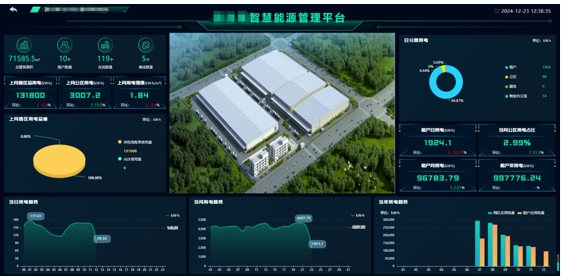
3.3.1 Energy Dashboard
The electricity consumption of tenants for the current day, month, and year;
The proportion of electricity consumption in public areas;
Comparison between the total electricity consumption of the park and the total electricity consumption of tenants.
3.3.2 Bill settlement
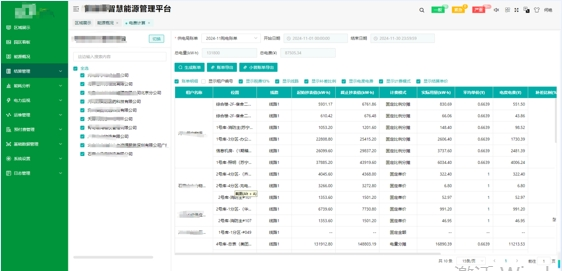
The allocation method supports fixed unit price, proportional allocation, area allocation, and electricity consumption allocation;
You can manually enter the bills for the power supply bureau and photovoltaic system;
Generate bills for each tenant based on the purchase electricity bill
4.Acrelcloud-3200 prepaid water and electricity cloud platform from Ankerui
4.1 Overview
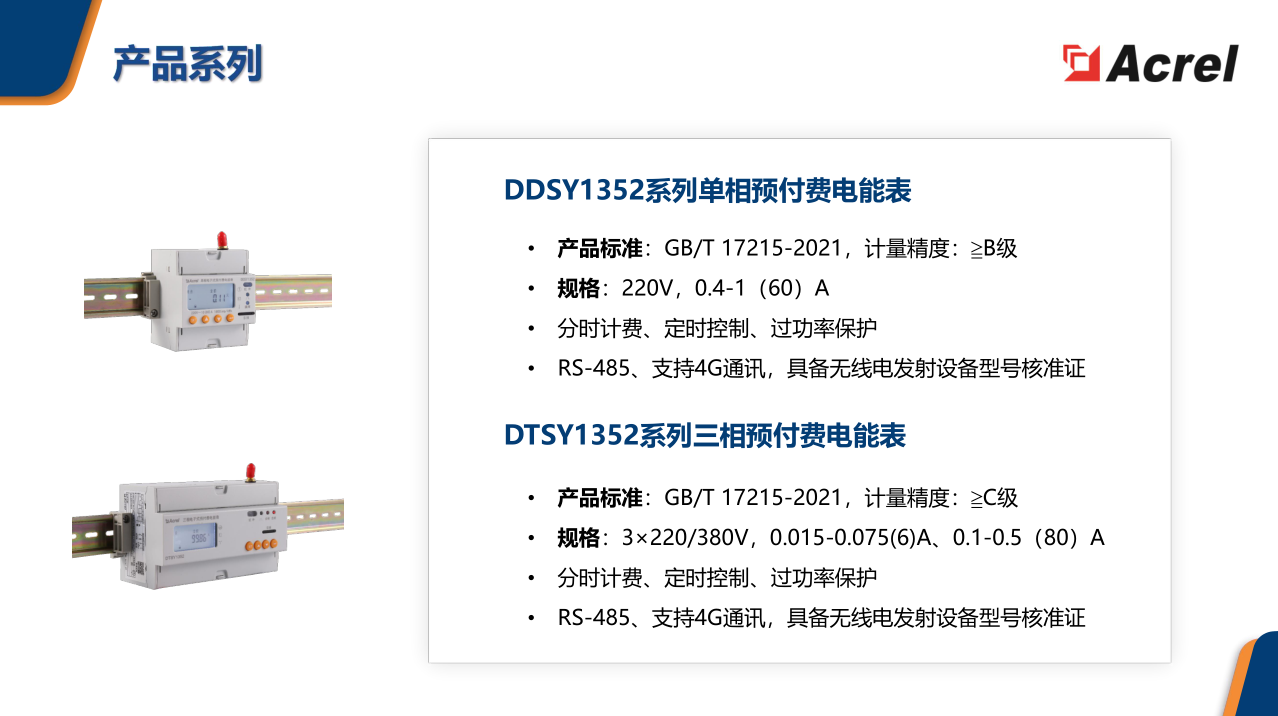
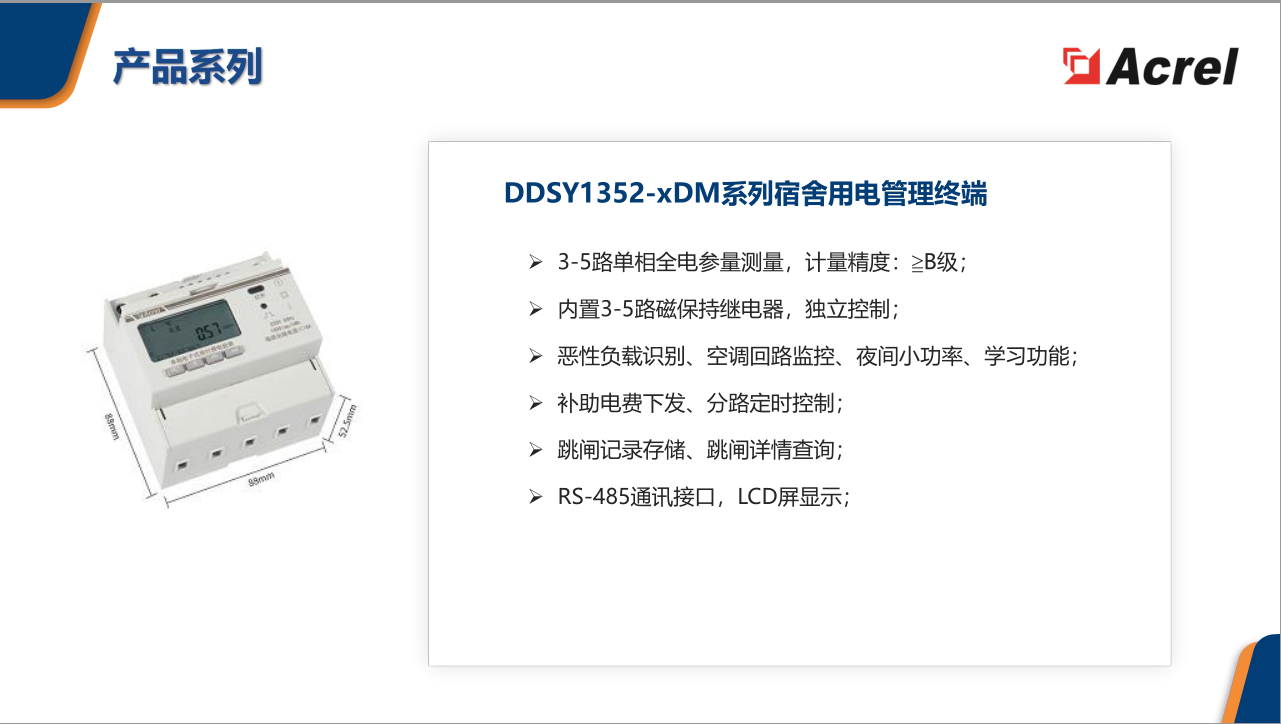
AcrelCloud-3200 Prepaid Water and Electricity Cloud Platform is a sales management system developed by Ankerui Company, which is compatible with DDSY-1352 single-phase electronic prepaid electricity meter and DTSY-1352 three-phase electronic prepaid electricity meter. In addition, remote valve controlled water meters can be selected to form a prepayment system for water and electricity integration, achieving the goal of paying before using water, and automatically closing the valve when the remaining water is used up. Mainly responsible for setting the parameters of electric/water meters, managing the sale of electricity/water by merchants, and managing energy consumption. It is easy to operate and enables remote real-time monitoring by property management companies. It has a good human-machine interface and can effectively collect and manage data. Easy to install, it is an ideal product for electricity management departments, commercial plazas, and property communities to improve the level of electricity and water management and solve the problem of difficult charging.
4.2 Application Sites
This platform is suitable forApartment tenantsCommercial squares, apartment hotels, property communities, office buildings, logistics and warehousing, universities, chain supermarkets, smart parks, agricultural markets, and other places.
4.3 System Architecture

4.4 System Functions
4.4.1 Room Monitoring
Clear and concise display of all room status information, building floor, online disconnection status, cost status, etc. By entering the room details, real-time information of the room can be viewed, and the daily electricity consumption and usage amount can be understood. Various remote control operations can be performed on the electricity meter in the room, such as account opening, electricity price setting, electricity sales, power refunds, alarm amount setting, opening and closing operations, etc.

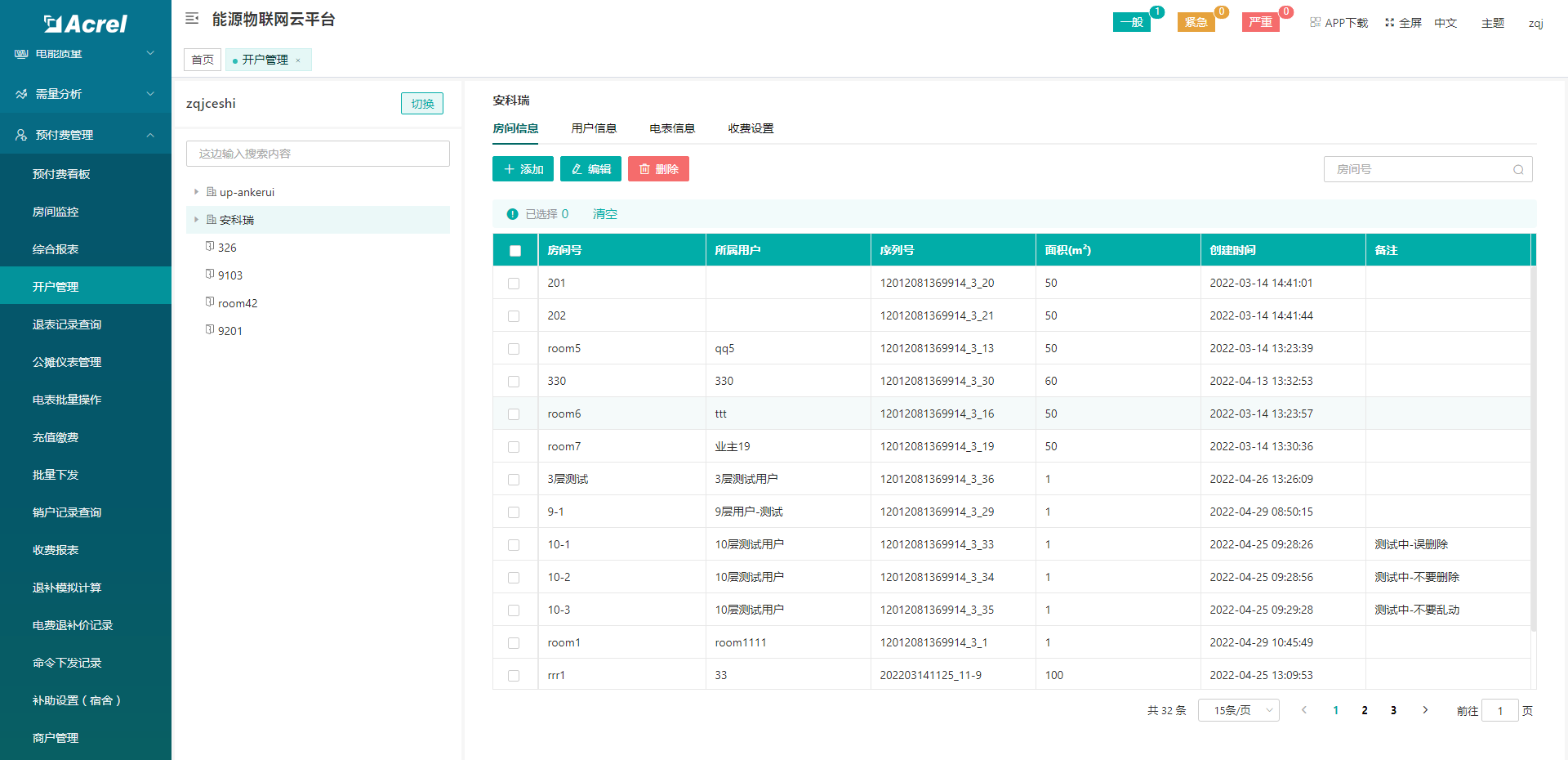
4.4.2 Electric household meter opening
The system not only supports one account per table for opening a shop account, but also supports the need for one account to have multiple tables attached; Support custom electricity pricing schemes, including single price, peak and valley price, and tiered price. Support pre-set account opening information and one click account opening in the later stage; It supports the setting of the default three-level alarm for the ammeter closing alarm. The alarm amount and time can also be customized. The push mode supports SMS, APP push, email, voice outbound call, official account push, etc.
4.4.3 Charging and Payment
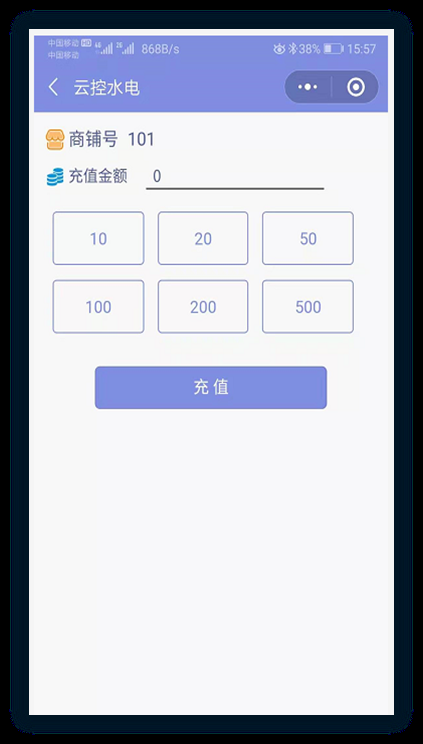
Can be applied to accounts already openedThe electricity meter is recharged remotely, and the electricity bill is issued to the meter in real-time. The electricity meter will deduct the electricity fee in real time based on the electricity consumption, and the system also supports early billing. The amount will be issued to the system account, and the payment will be fast and stable.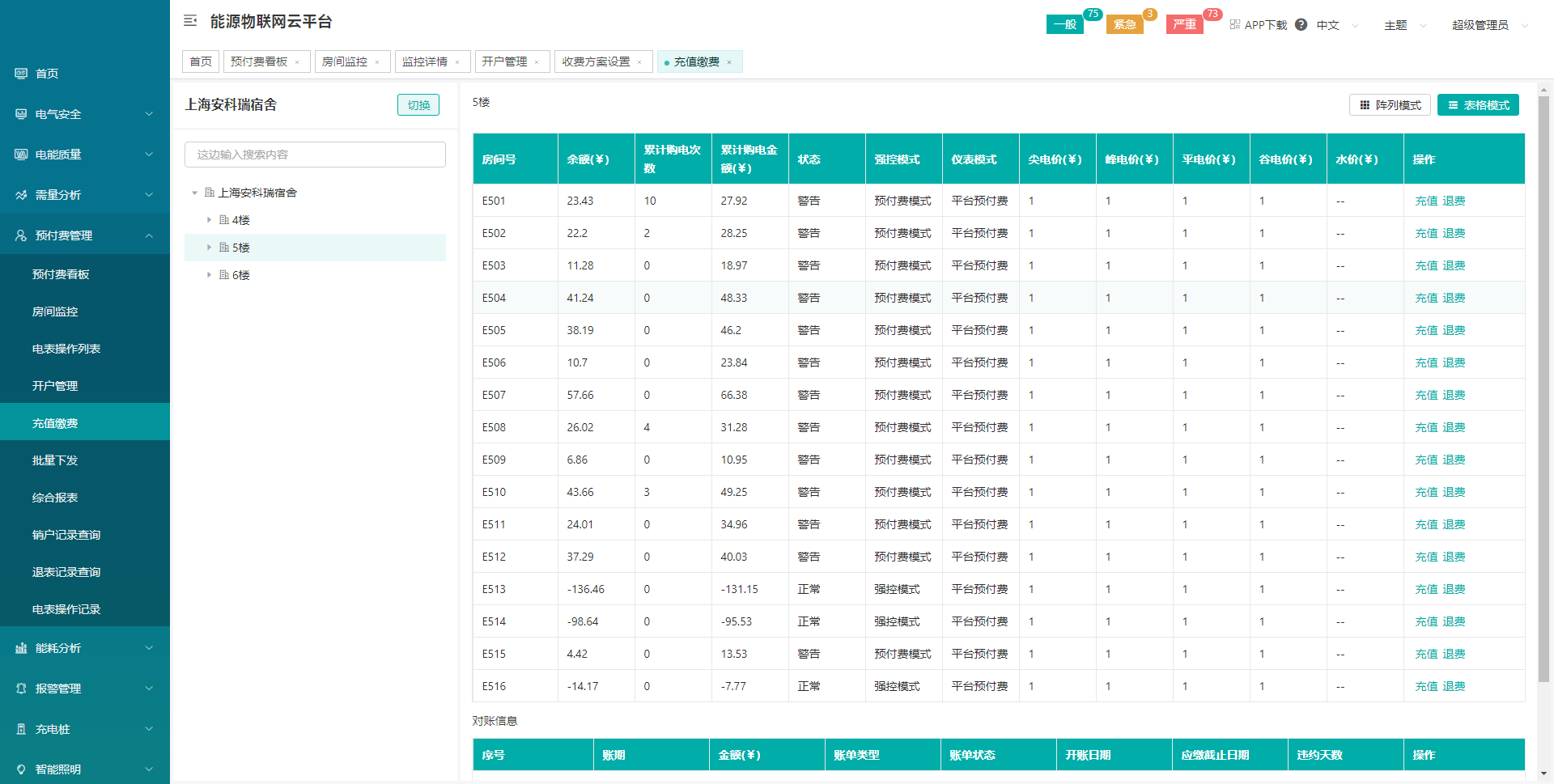
4.4.4 Financial Management
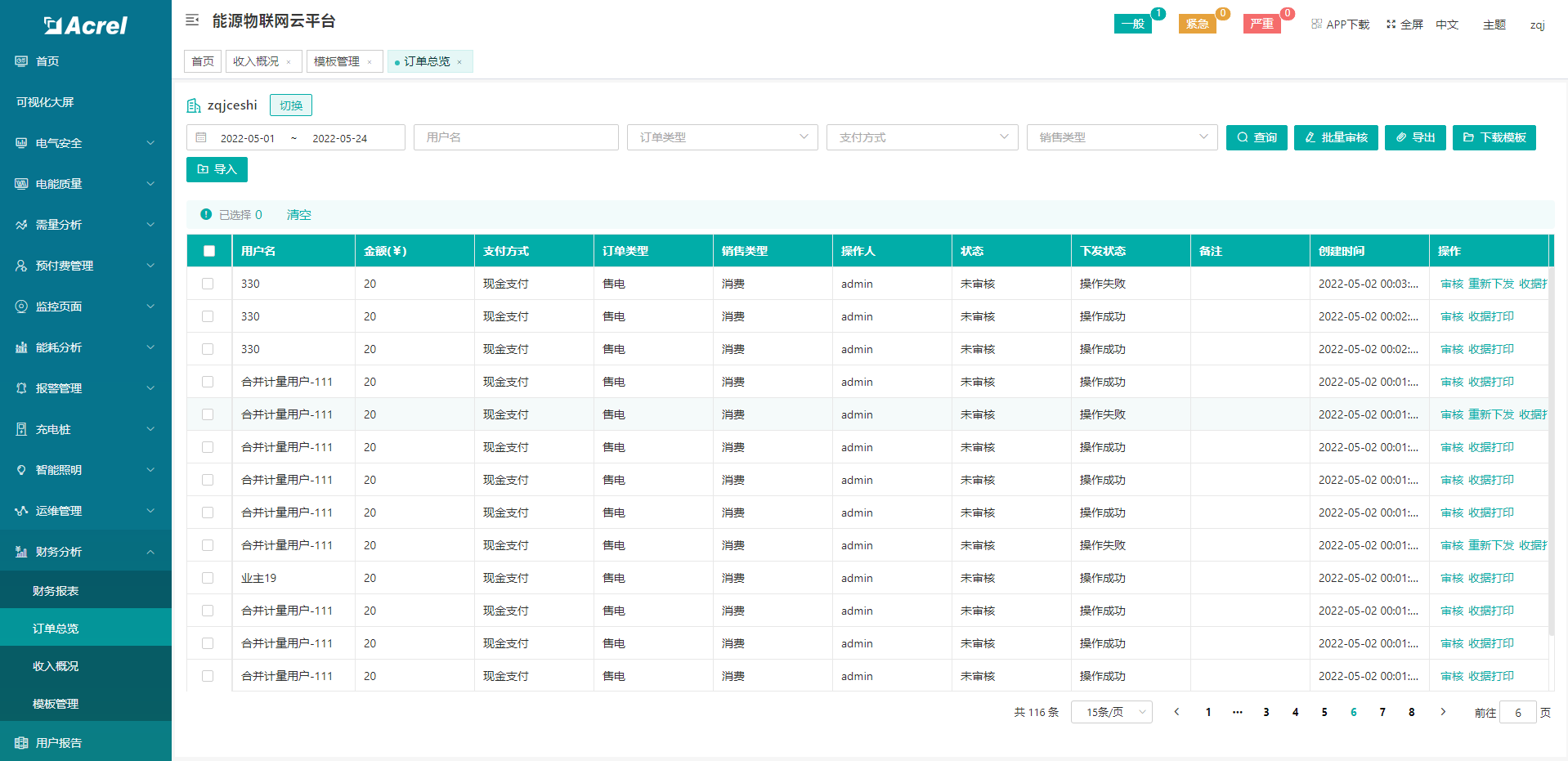
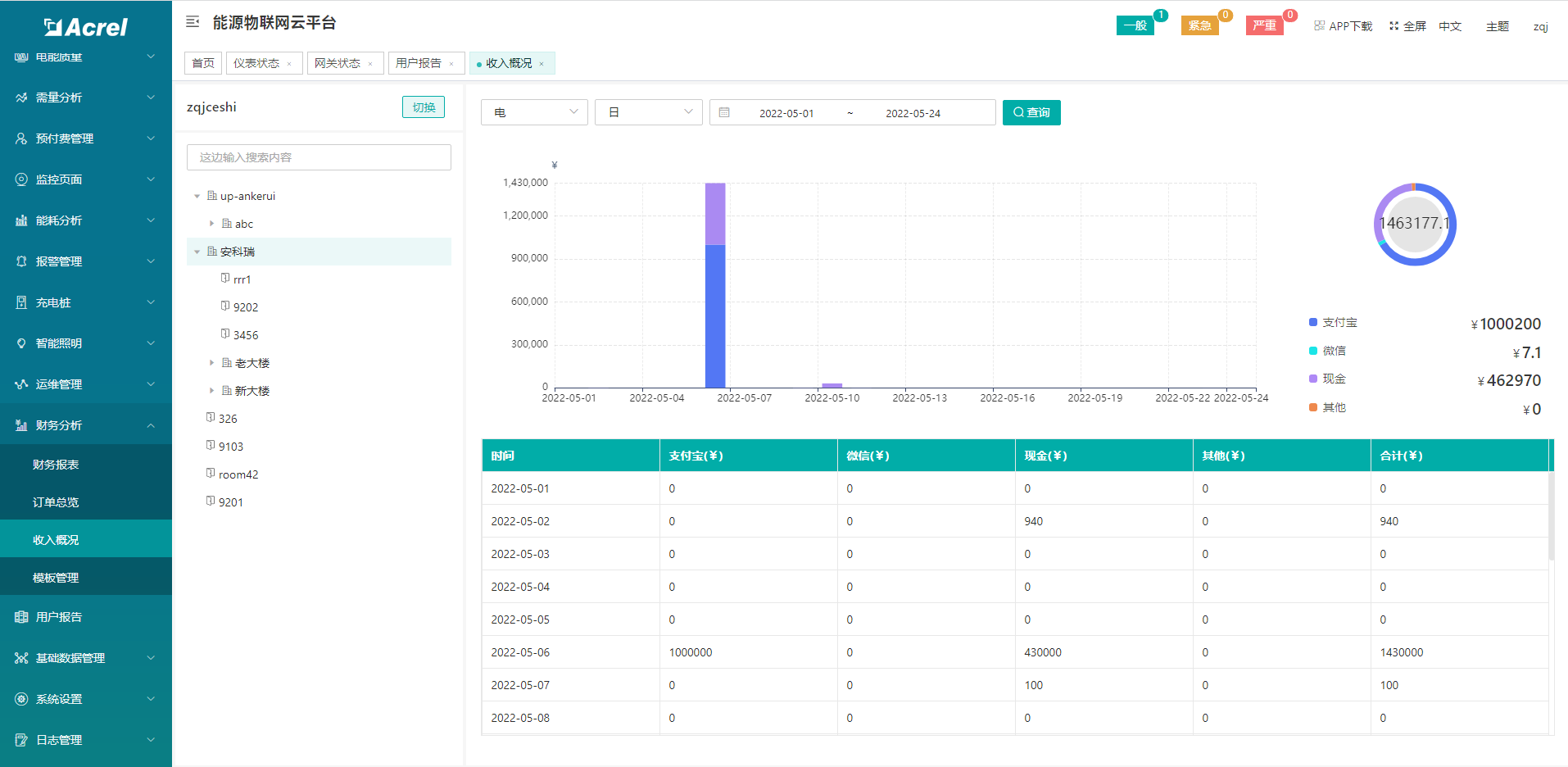
OrderOverview, including all water and electricity recharge and refund records in the system, as well as property fee deduction records. Income overview, which can be used to calculate the water and electricity fee income and income composition from different dimensions such as day, month, year, and time span.
4.4.5 Report
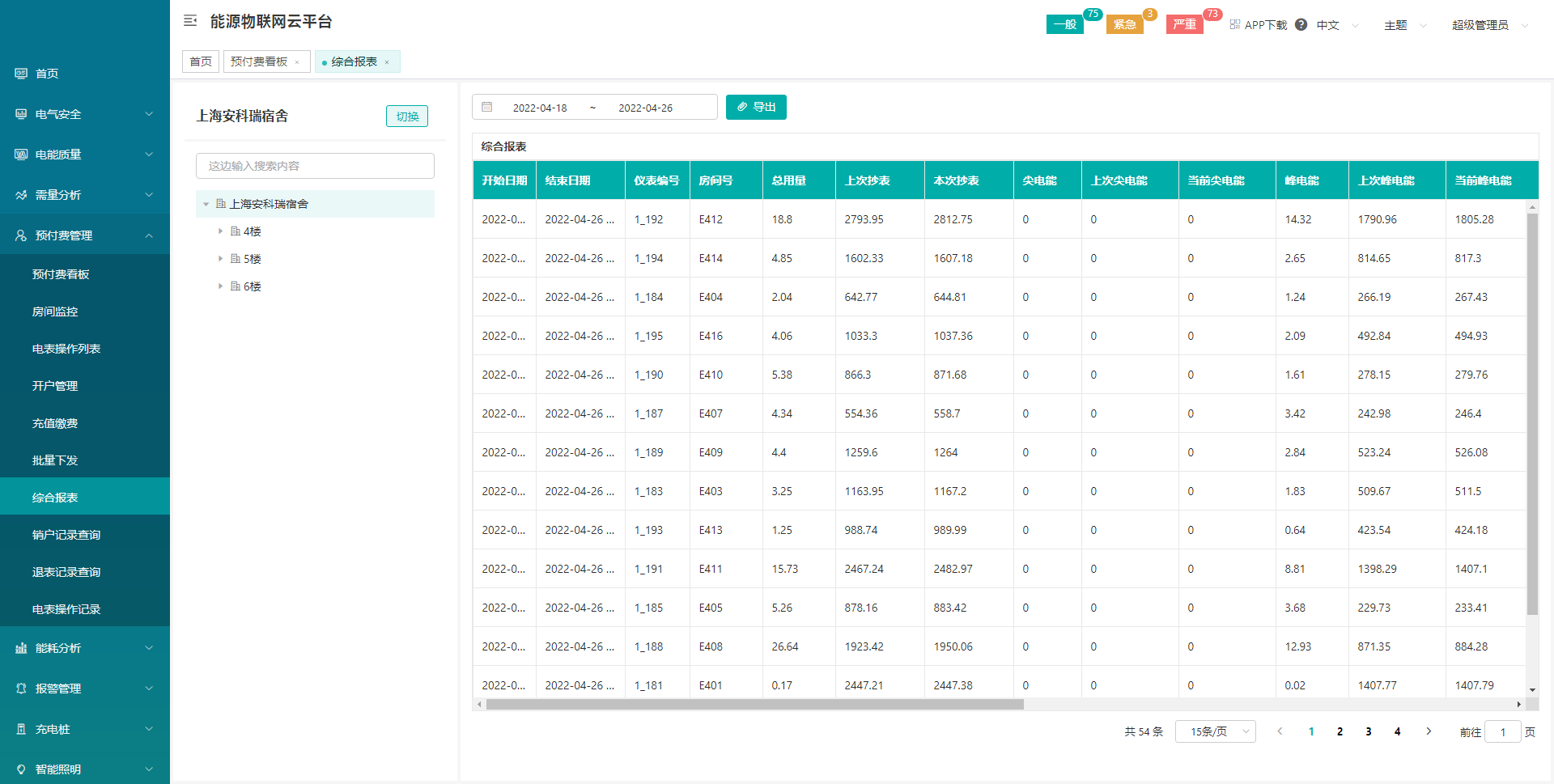
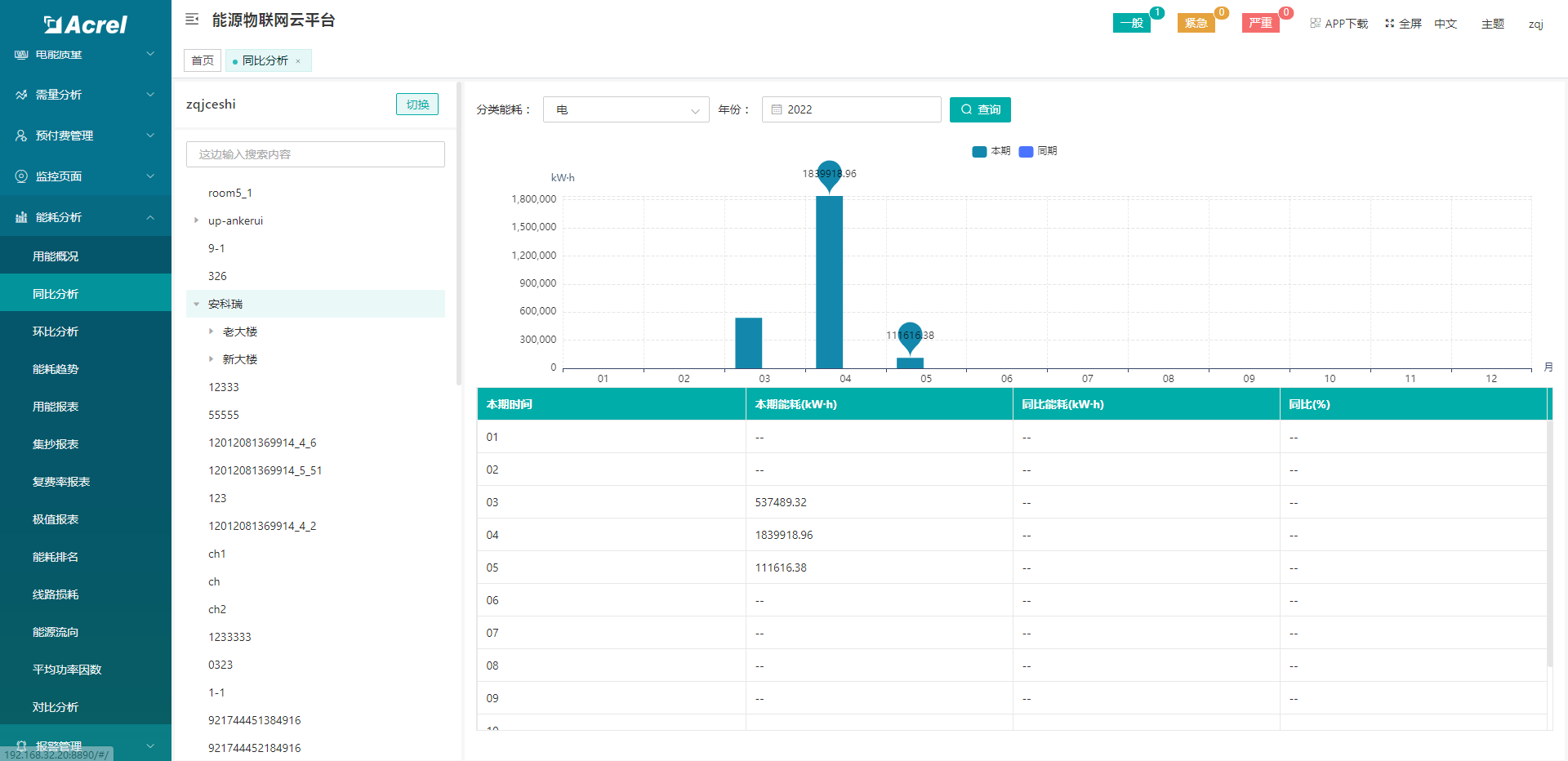
The system also provides multiple reports for querying. Comprehensive electricity consumption report, helping finance to calculate the total electricity consumption of shops every month,The year-on-year analysis of electricity consumption, electricity bills, and energy consumption in peak and valley areas can compare the energy consumption gap between each month and the same period last year. Daily, monthly, and annual energy consumption reports, querying the energy consumption of the electricity meter at each stage based on three different dimensions: daily, monthly, and annual
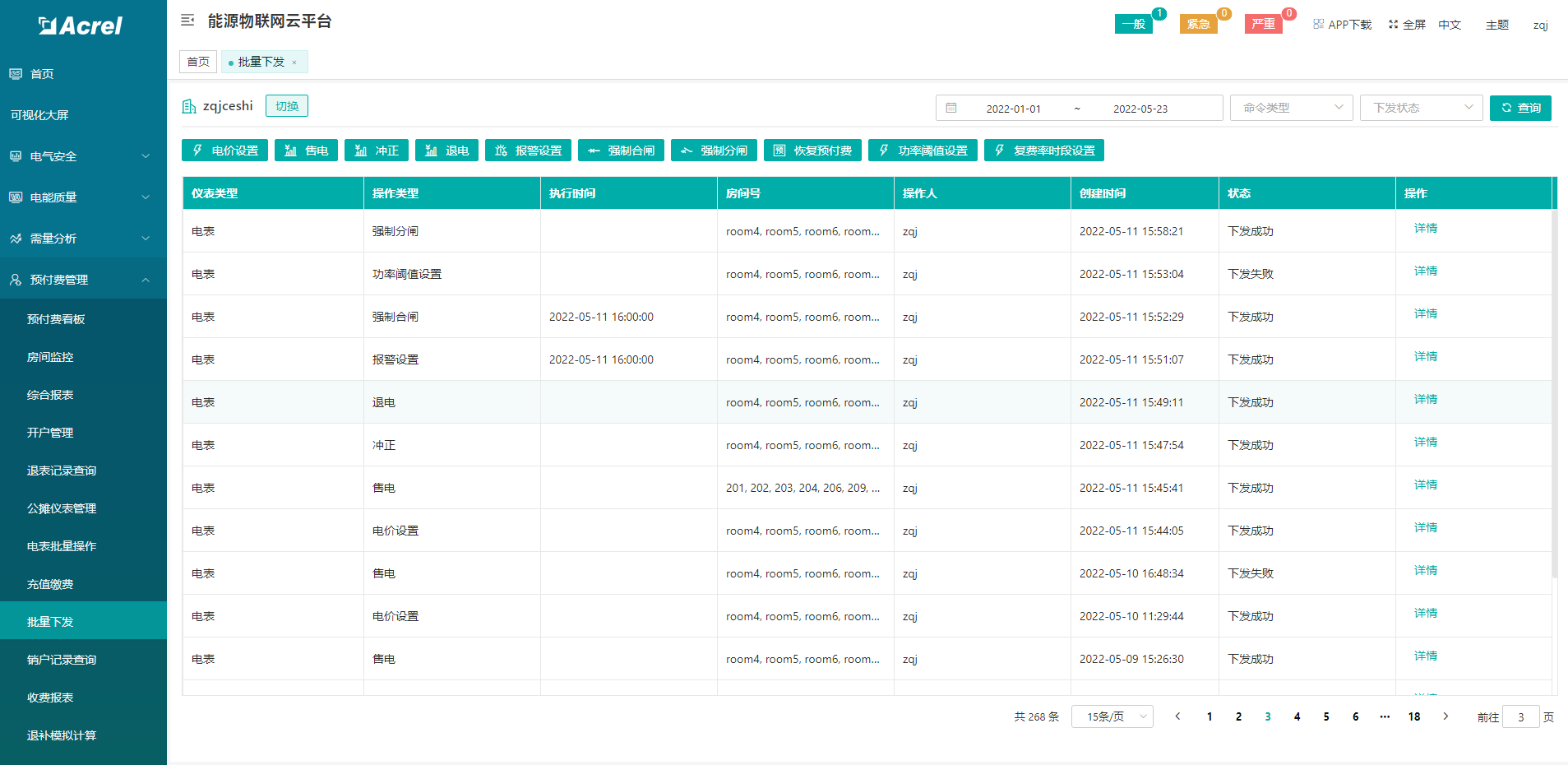
4.4.6 Batch Operations
In order to facilitate users in managing and setting up a large number of instruments, batch operation tasks can be created in the system, such as setting electricity prices, meter control, instrument settings, recharging, etc. Batch tasks can be executed immediately or at regular intervals.
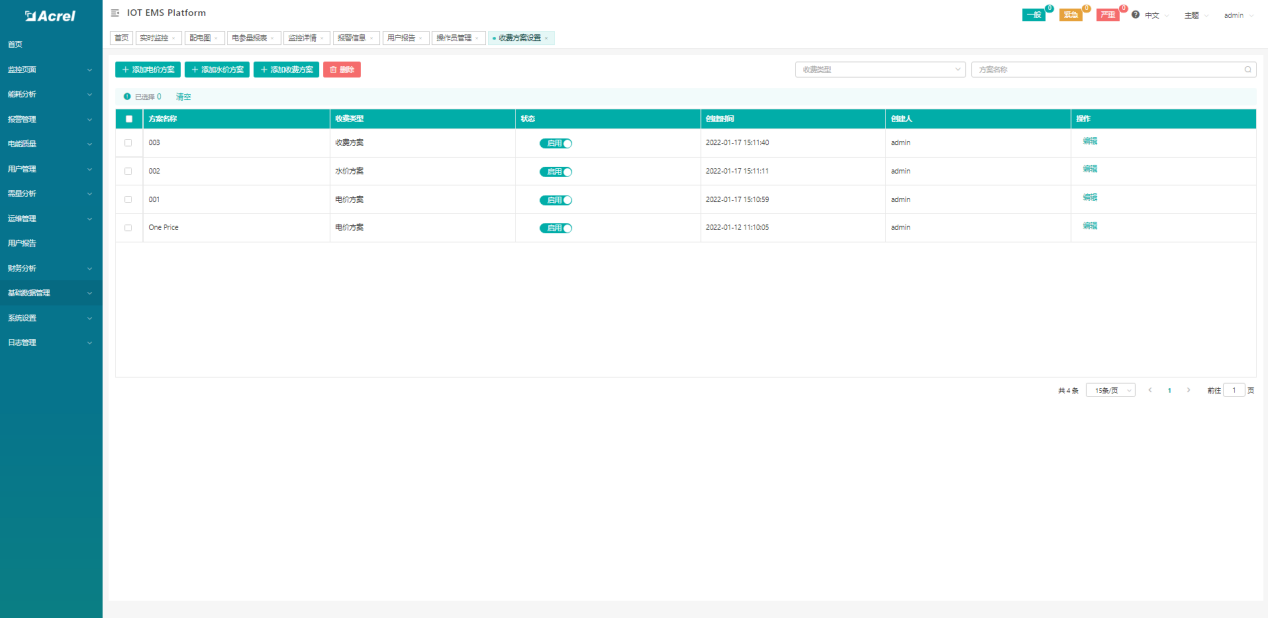
4.4.7 Customized Charging Scheme
In order to flexibly respond to users' diverse charging schemes, such as property fees, rent, service fees, etc., the system supports users to customize their own feesCost project. The charging method can be set to deduct directly from the account or generate a reminder bill, and can be set to periodic or one-time charges. It can be charged at a fixed amount or converted based on room area, and so on.
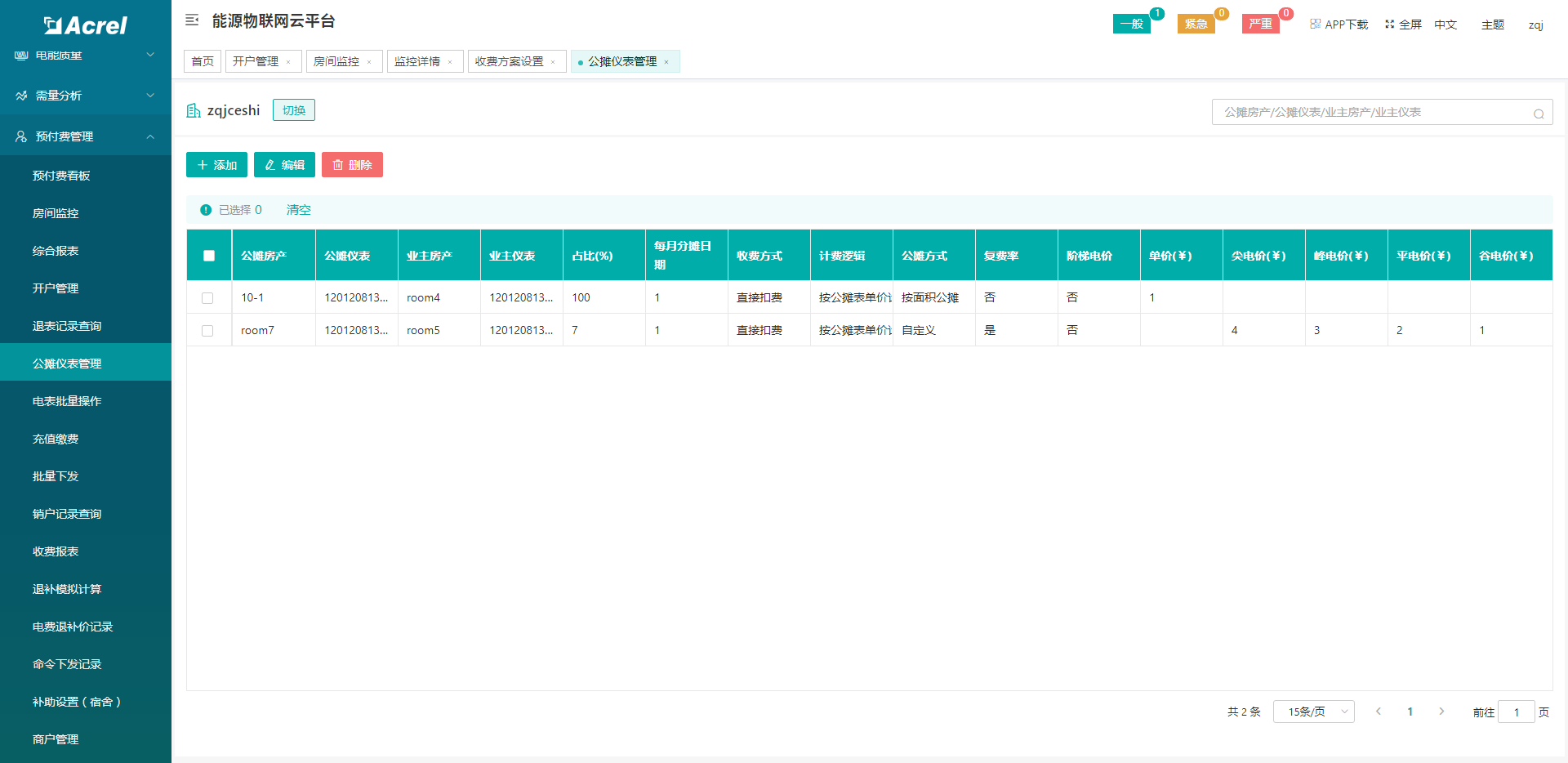
4.4.8 Sharing of electricity consumption in public areas
Designate a certain table as the main table, and then allocate associated sub tables. The system automatically converts the electricity consumption of the main table into electricity fees from the sub tables in proportion every monthDeducting, this can eliminate the hassle of manual statistics. There are various ways of sharing, such as sharing according to proportion, sharing according to room area, and sharing according to usage. The charging methods include direct deduction or generating maintenance bills.
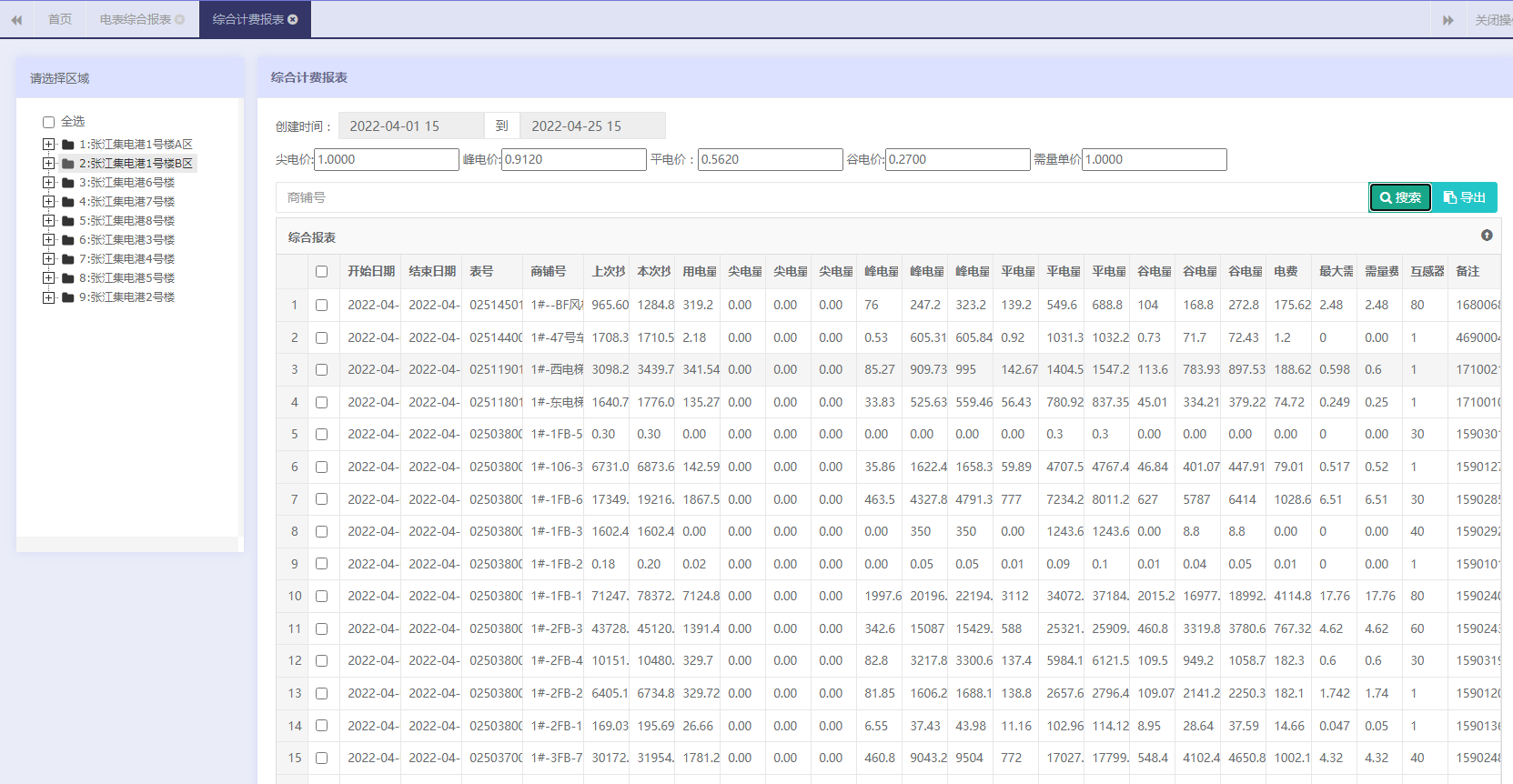
4.4.9 Post payment model
Generate by dateAfter confirming the data, postpaid users can generate payment bills to track their payment status. Payment bills and overdue bills can be exported to notify customers.
4.4.10 Online payment on official account
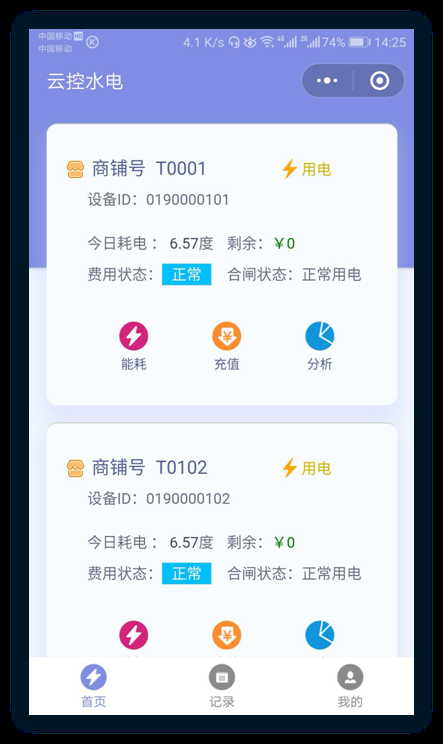
Users canWeChat applet or WeChat official account can query the usage and payment of electricity meter.
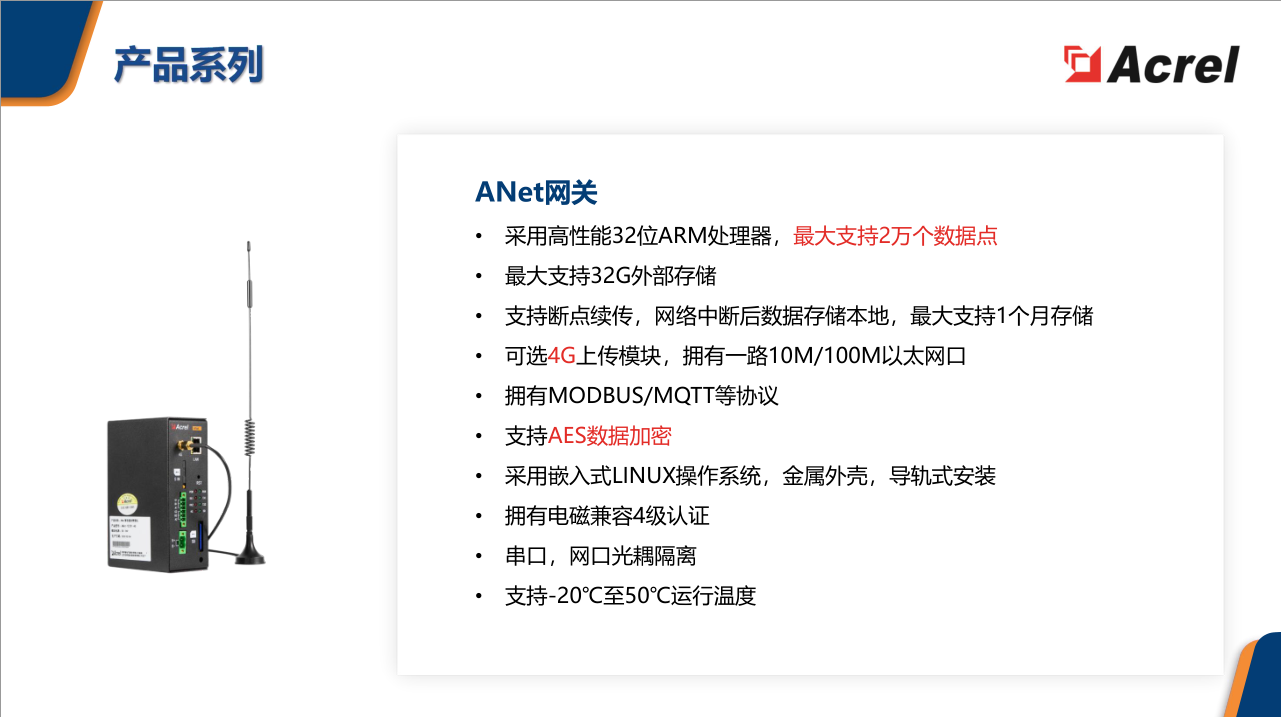
5. System hardware configuration
6. Conclusion
The successful application of Ankerui Water and Electricity Prepaid Platform in a logistics park has effectively solved many problems in traditional water and electricity billing management, achieving intelligent, information-based, and refined management of water and electricity billing. Not only has it improved the efficiency of park management and service quality, but it has also provided strong support for energy conservation, consumption reduction, and sustainable development of the park. With the continuous development and improvement of technology, this platform is expected to be widely promoted and applied in more logistics parks and other commercial parks.