-
E-mail
wwwwangzhongbao@163.com
-
Phone
15931612837
-
Address
Dacheng Development Zone, Langfang City, Hebei Province
Product Categories
Sales Department of Shenzhou Energy saving Technology Group


Price per square meter for 30kg glass wool roll board
NegotiableUpdate on 01/08
- Model
- Nature of the Manufacturer
- Producers
- Product Category
- Place of Origin
Overview
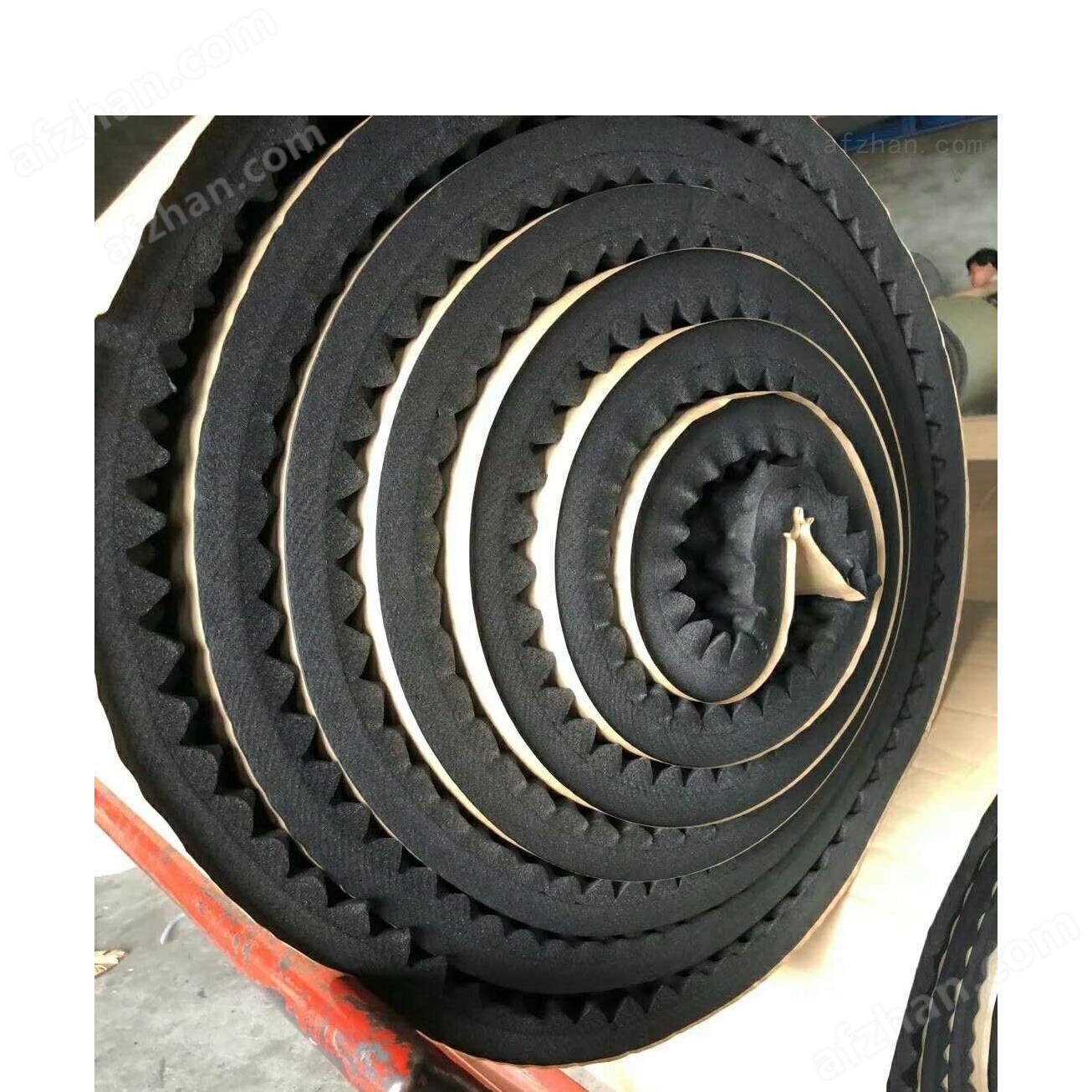
The price per square meter for 30 kilograms of glass wool roll board. Glass wool belongs to a category of glass fiber and is an artificial inorganic fiber. Lai uses natural minerals such as limestone as the main raw material, combined with some chemical materials such as soda ash and borax, to melt into glass. In the melted state, with the help of external force, the blowing system throws into flocculent fine fibers, and the fibers intersect in a three-dimensional manner, intertwining with each other, presenting many small crevices. This gap can be regarded as a pore. Therefore, glass wool can be a porous material with good insulation and sound absorption properties.
Product Details
Price per square meter for 30kg glass wool roll board
Centrifugal glass wool has good sound absorption performance for high frequencies in sound. The main factors affecting the sound absorption performance of centrifugal glass wool are thickness, density, and air flow resistance. Density is the weight per cubic meter of material. Air flow resistance is the ratio of air pressure and air velocity on both sides of a material per unit thickness. Air flow resistance is the most important factor affecting the sound absorption performance of centrifugal glass wool. If the flow resistance is too small, it indicates that the material is sparse, and air vibration is easy to pass through, resulting in a decrease in sound absorption performance; If the flow resistance is too high, it indicates that the material is dense, making it difficult for air vibrations to be transmitted, and the sound absorption performance also decreases. For centrifugal glass wool, there is flow resistance in its sound absorption performance. In practical engineering, it is difficult to measure air flow resistance, but it can be roughly estimated and controlled through thickness and bulk density. 1. As the thickness increases, the mid low frequency sound absorption coefficient significantly increases, but there is little change in high frequency (high frequency absorption is always large). 2. The thickness remains unchanged, the bulk density increases, and the mid low frequency sound absorption coefficient also increases; But when the bulk density increases to a certain extent, the material becomes denser, and the sound absorption coefficient actually decreases.Centrifugal glass woolFelt is a roll material made to meet the needs of large-scale installation. In addition to maintaining thermal insulation, it also has excellent shock absorption and sound absorption characteristics, especially good absorption effects on medium and low frequencies and various vibration noises, which is conducive to reducing noise pollution and improving the working environment.
In road sound barriers, in order to prevent noise reflection, sound-absorbing measures need to be taken on the side facing the vehicle. Centrifugal glass wool is often used as a filling material, and the barrier board is made of perforated metal plate as the surface layer. To prevent glass wool from absorbing water and getting damp outdoors, PVC or plastic film is sometimes used for wrapping.

Glass wool usage temperature: 400 ℃ Common specifications: 2600 × 600 or 1000 × 20, 30, 40, 60 (mm) Medium alkali free cotton Technical conditions:
Production capacity:<20kg/m Fiber diameter: below 3 microns
Thermal conductivity: 1. Not exceeding 0.028 kcal/m at room temperature At that time degree
2. Please refer to Table (1) for different temperatures and capacities
Sound absorption coefficient: 1. For high frequencies above 0.95 and medium low frequencies, please refer to the sound absorption coefficient table (2) for details
Operating temperature: 600 ℃ -800 ℃ Main performance:
1. It can maintain good insulation performance in both high and low temperature environments.
2. Through the friction between fine glass fibers and sound waves, it has a good sound absorption effect on various noises and sound waves from low to high frequencies.
3. Glass wool is an inorganic material. It will not burn, rot, or produce harmful gases or substances. It has been identified as a non combustible material.
This material can be cut as needed during construction and is mainly used for shock absorption, sound absorption, and noise reduction in indoor buildings, noise reduction systems, transportation vehicles, refrigeration equipment, and household appliances. The effect is very ideal. Glass wool felt with aluminum foil veneer also has strong heat radiation resistance, making it a lining material for high-temperature workshops, control rooms, machine room walls, partitions, and flat roofs.
Price per square meter for 30kg glass wool roll board
Similar Product Recommend