-
E-mail
1968423454@qq.com
-
Phone
15006777917
-
Address
No. 114, Row 10, Sunlou Industrial Park, Jinghe Office, Tengzhou City, Shandong Province
Shandong Feitian Optoelectronics Technology Co., Ltd
The 'invisible defense line' of petrochemical park, explosion-proof laser intrusion detector, prevents intrusion and destructive behavior
Date: 2025-10-24Read: 27
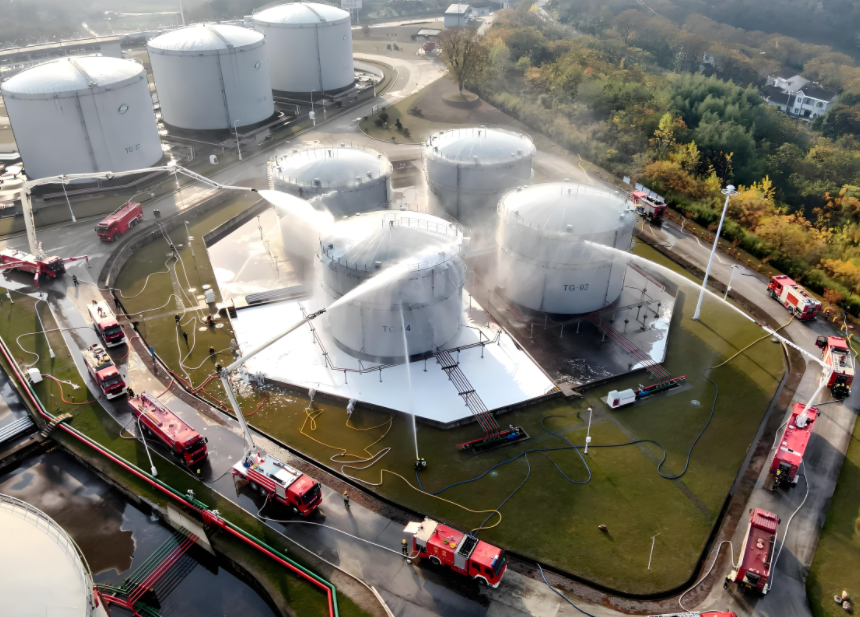
In flammable and explosive places such as petrochemicals and natural gas storage and transportation, the safety defense line cannot tolerate any negligence. The traditional security model relies on manual patrols and fixed sentries, which can form basic protection. However, when facing complex terrain, night duty and other scenarios, there are often pain points such as long patrol intervals, delayed response, and rising labor costs. How to build a more efficient and accurate security system through technological means has become a key topic for industry security upgrading.

Manual patrol is a common choice for most chemical industrial parks, but it is difficult to achieve 24-hour coverage due to personnel physical fitness, blind spots, and fatigue factors. For example, a large refining enterprise once calculated that the daily patrol mileage exceeded 50 kilometers, but nighttime intrusion incidents still accounted for 40% of the annual police situation. In addition, the weather and complex terrain in areas such as tank storage areas and pipeline corridors further increase the difficulty of patrols, while the continuous increase in security manpower will lead to a sharp increase in operating costs, creating a dual pressure of 'efficiency and cost'.
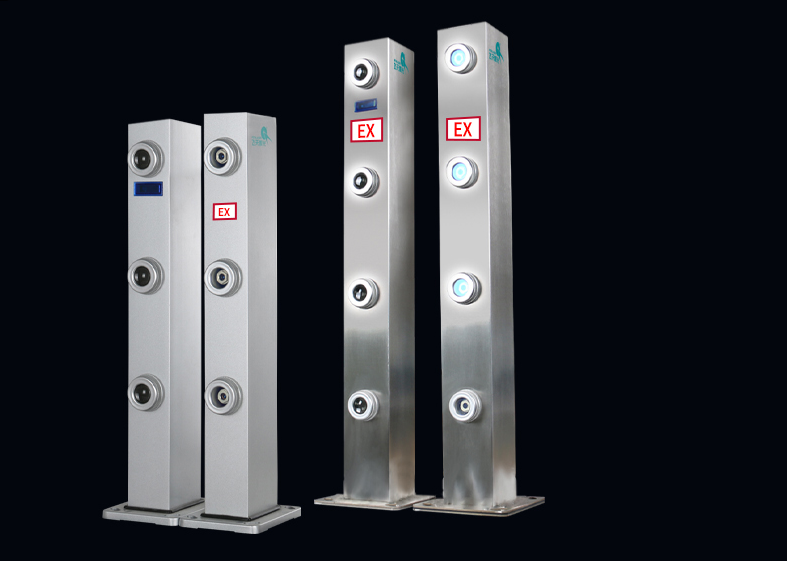
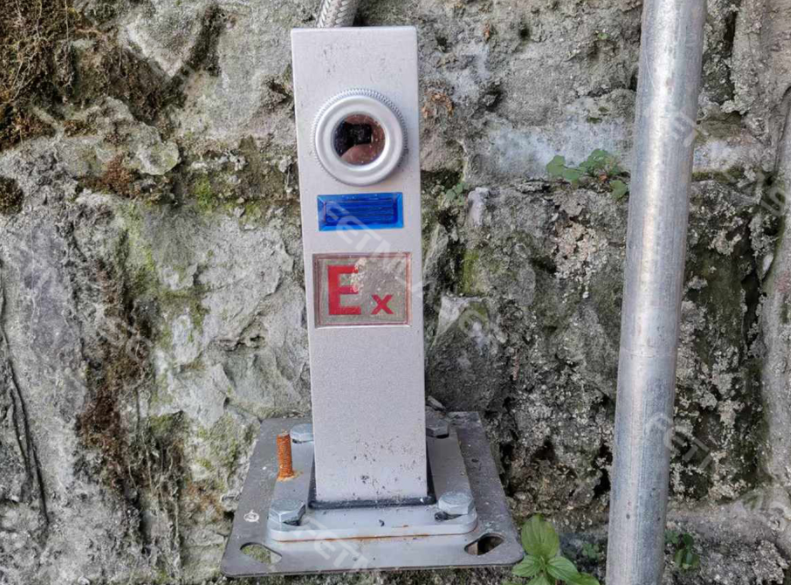
The explosion-proof laser intrusion detector forms a protective net by emitting an invisible laser beam. When an illegal intruder blocks the beam, the system can immediately trigger an audible and visual alarm and push positioning information to the control center. Its core advantages lie in:
Zero blind spot coverageThe detection range of a single device can reach 200 meters, and it can be flexibly combined to form a three-dimensional protective net, covering key areas such as storage tank areas, loading and unloading platforms, and perimeter walls;
Strong anti-interference abilityThe false alarm rate of the laser beam is less than 0.1%, effectively avoiding environmental interference such as birds and fallen leaves;
Explosion-proof designThrough Ex CT6 explosion-proof certification, it can operate stably in environments ranging from -40 ℃ to 70 ℃, suitable for high-risk scenarios in chemical industrial parks;
Smart LinkageIt can be linked with video surveillance, access control systems, emergency broadcasting and other equipment to build a 'detection recognition response' closed loop.
After the introduction of laser detection system in a coastal refining base, three major upgrades have been achieved:Improved response speedThe average response time for intrusion incidents has been reduced from 3 minutes to 15 seconds;Optimization of labor costsNight patrol frequency reduced by 60%, security personnel can focus on high-risk areas;Management efficiency improvementReal time display of intrusion locations through electronic maps to assist in quick decision-making.
The security director of the base stated that laser detectors are not a replacement for manual labor, but rather to free up security forces from repetitive inspections and focus on emergency response and risk assessment. '
In the construction of smart chemical industrial parks, the security system is evolving from 'single protection' to 'system defense'. The explosion-proof laser intrusion detector complements technologies such as AI video analysis, unmanned aerial vehicle inspection, and Internet of Things perception, building a three-dimensional protective network of 'human defense+technical defense+physical defense'. For enterprises, this is not only a necessary requirement for safety and compliance, but also an investment to enhance operational resilience and reduce long-term risks.