-
E-mail
3008384089@qq.com
-
Phone
15201760719
-
Address
No. 253 Yulu Road, Malu Town, Jiading District, Shanghai
Shanghai Ankerui New Energy Co., Ltd
Say goodbye to data silos and lagging response. Ankerui EMS3.0 virtual power plant breaks through the smart energy core "core"
Date: 2025-12-03Read: 23
1. Introduction
Driven by the "dual carbon" goal, virtual power plants, as the core carrier for aggregating distributed energy and optimizing power grid scheduling, are experiencing explosive growth. However, behind the brilliance, the pain points such as "isolated data islands", "lag of cross subject response", and "insufficient scheduling accuracy" have led many virtual power plants into the dilemma of "being visible, unmovable, and unusable", which has become an "invisible shackle" restricting the large-scale development of the industry.
When the industry urgently needs a core solution that can break barriers and activate efficiency, the Ankerui EMS3.0 smart energy management system makes a heavyweight appearance, injecting strong power into the breakthrough of virtual power plants with its core advantages of "full link interconnection, millisecond response, and intelligent scheduling", and becoming the smart energy core "core" to solve industry pain points.
2. Pain point hit: How to break the "two major shackles" of virtual power plants?
The core value of virtual power plants lies in "aggregation" and "scheduling". By integrating distributed photovoltaic, energy storage, charging piles, industrial loads and other dispersed resources, a flexible and controllable "virtual power source" is formed to provide peak shaving, valley filling, emergency response and other services for the power grid. But in actual operation, two major pain points make it difficult to realize this value:
Data silos: Information barriers exist due to scattered distributed energy entities and diverse property rights, as well as incompatible equipment protocols and inconsistent data standards from different manufacturers. This results in key data such as photovoltaic power generation, energy storage SOC, and load demand being dispersed across various systems, creating an "information barrier". The dispatch center cannot obtain comprehensive and real-time data support, and can only rely on experience prediction, making precise control impossible.
Response lag: Poor instruction flow, greatly reduced efficiency. Traditional energy management systems mostly adopt a "passive collection manual analysis manual issuance" mode, with the link from data collection to instruction execution lasting up to minutes or even hours. In the face of scenarios that require rapid response such as grid frequency regulation and load response, it is often "slow and slow", which not only affects response revenue, but may also cause grid safety risks due to untimely scheduling.
The essence of these pain points is that traditional management systems are unable to adapt to the operational needs of virtual power plants, which require "multi subject, high dynamic, and strong collaboration". The emergence of Ankerui EMS3.0 is aimed at bridging the entire chain of "data decision execution" and enabling virtual power plants to move from "decentralized management" to "intelligent collaboration".
3..AcrelEMS3.0 Microgrid Smart Energy Management Platform
3.1 Overview
A smart energy management platform is a system that integrates modern information technologies such as the Internet of Things (IoT), big data, cloud computing, and artificial intelligence (AI) for monitoring, controlling, and optimizing energy use to improve efficiency and reduce waste.
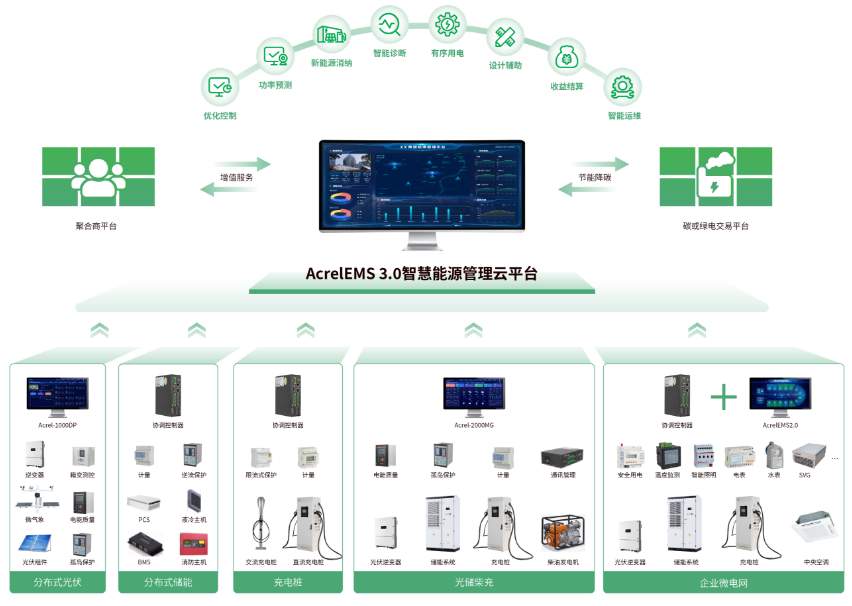
3.2 Platform Structure
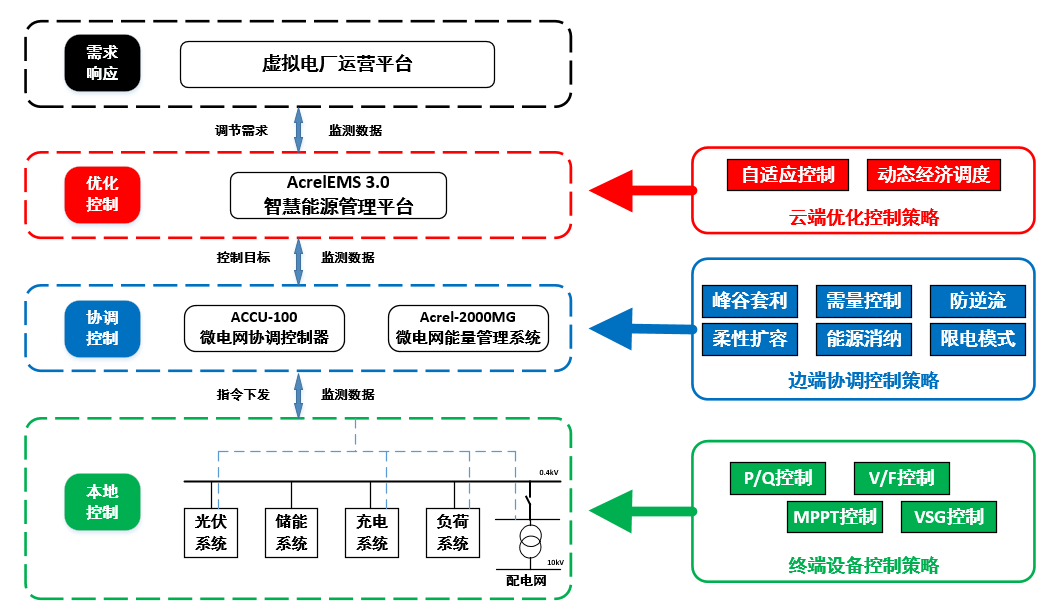
Multi layer collaboration to build a solid operational foundation, AcrelEMS3.0 microgrid smart energy platform adopts a layered architecture design, with each layer working together to provide stable and reliable support for the operation of virtual power plants.
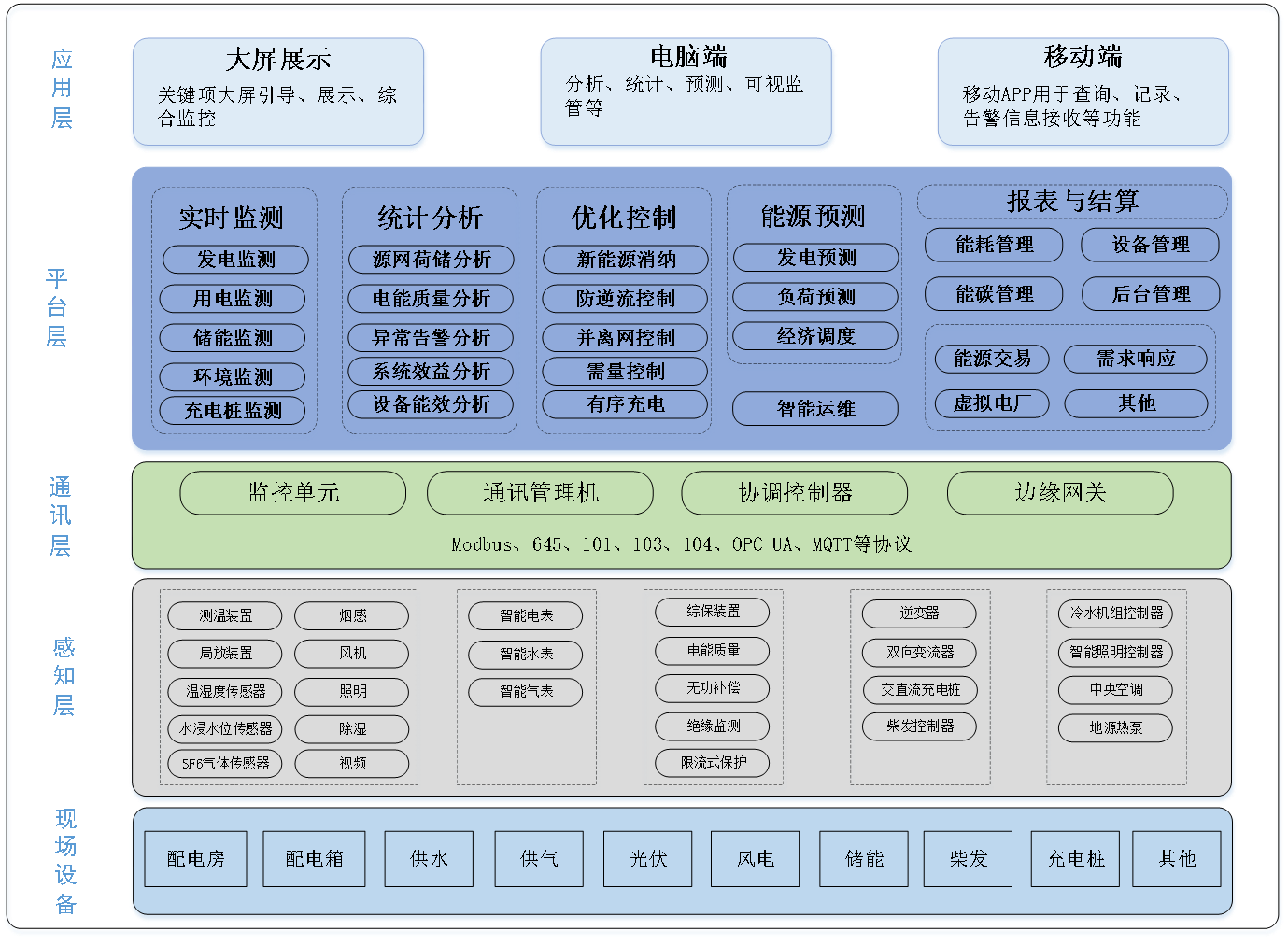
Perception layer: equipped with a large number of advanced sensors and intelligent collection devices, distributed in various distributed energy devices and key nodes of power transmission and consumption. These devices are like "nerve endings" that can capture massive amounts of data in real time, such as the power generation of photovoltaic power plants, the wind speed and output of wind power equipment, and the charging and discharging status of energy storage systems, providing the platform with*Primitive*Basic sources of information.
Network layer: Based on various communication technologies, including wireless communication (such as 4G/5G, LoRa) and wired communication (such as Ethernet, fiber optic), an efficient and stable data transmission channel is built. It quickly and accurately transmits the data collected by the perception layer to the data layer, and can also issue control instructions from the upper layer to various devices, ensuring smooth two-way flow of information.
Data layer: composed of high-performance databases and data processing centers, with powerful data storage, cleaning, and integration capabilities. This is like a 'data warehouse' that standardizes data from different devices and formats, establishes a unified data model, and provides high-quality data support for subsequent analysis and applications.
Application layer: It is the centralized core functional module of the platform, including multiple subsystems such as data monitoring and analysis, optimization scheduling, transaction settlement, and device management. These subsystems collaborate with each other to achieve comprehensive control and intelligent decision-making for the operation of virtual power plants.
4.Platform Features
4.1Comprehensive monitoring and analysis
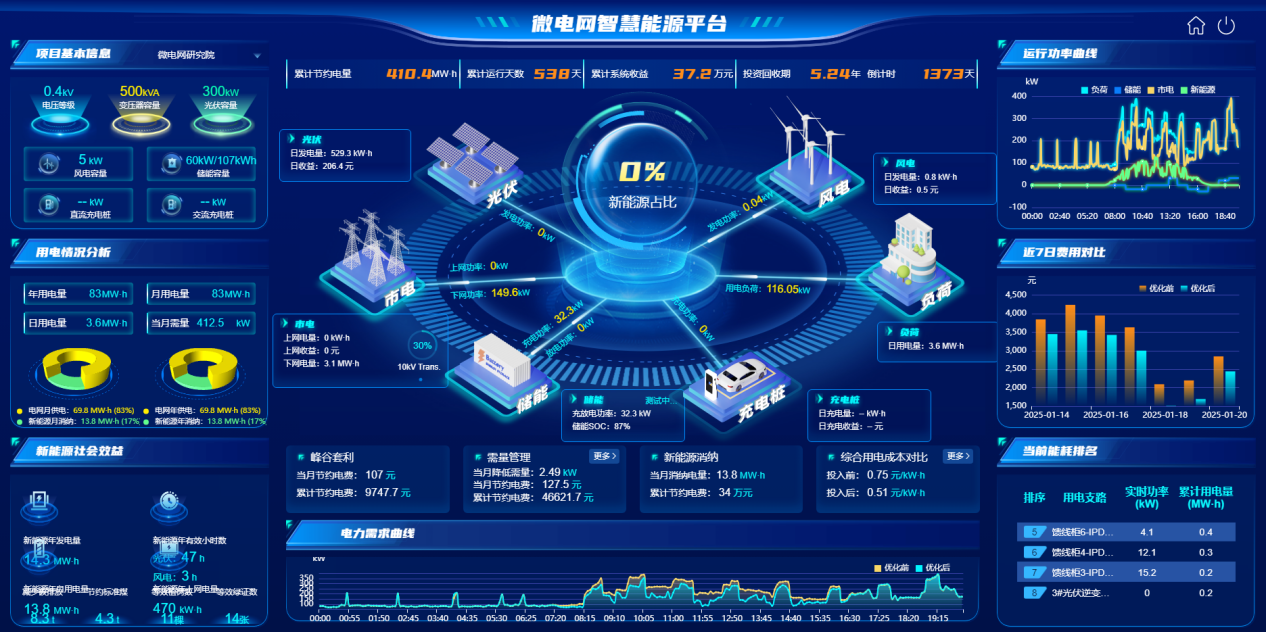
Full operation data such as "source network load storage", storage display, status detection, and operation alarm.
Intuitively display various data such as electricity consumption, carbon emissions, costs, and equipment operation of microgrid systems.
Real time presentation of microgrid power data flow and equipment security status.
4.2Microgrid operation monitoring
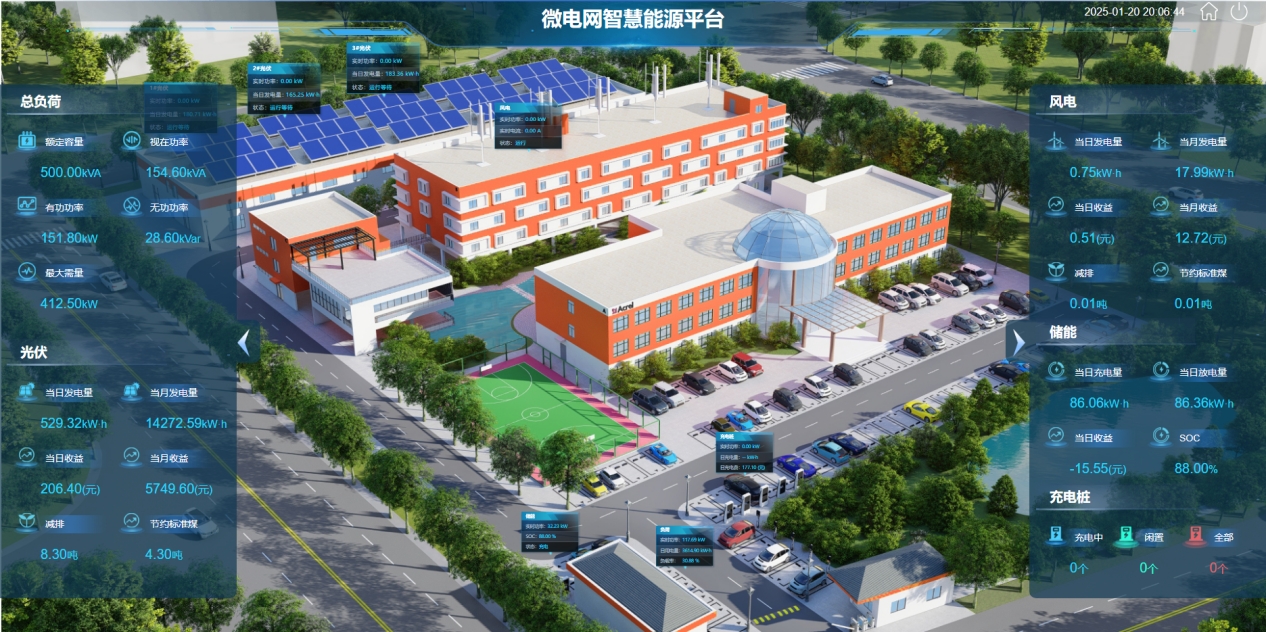
Support power station topology, optical storage and charging monitoring, environmental monitoring, strategy execution, revenue settlement, situational awareness, etc.
Note: Support the integration of third-party platforms and subsystems, such as video, charging stations, air conditioning, phase change energy storage, power routers, etc.
3.3Intelligent optimization scheduling
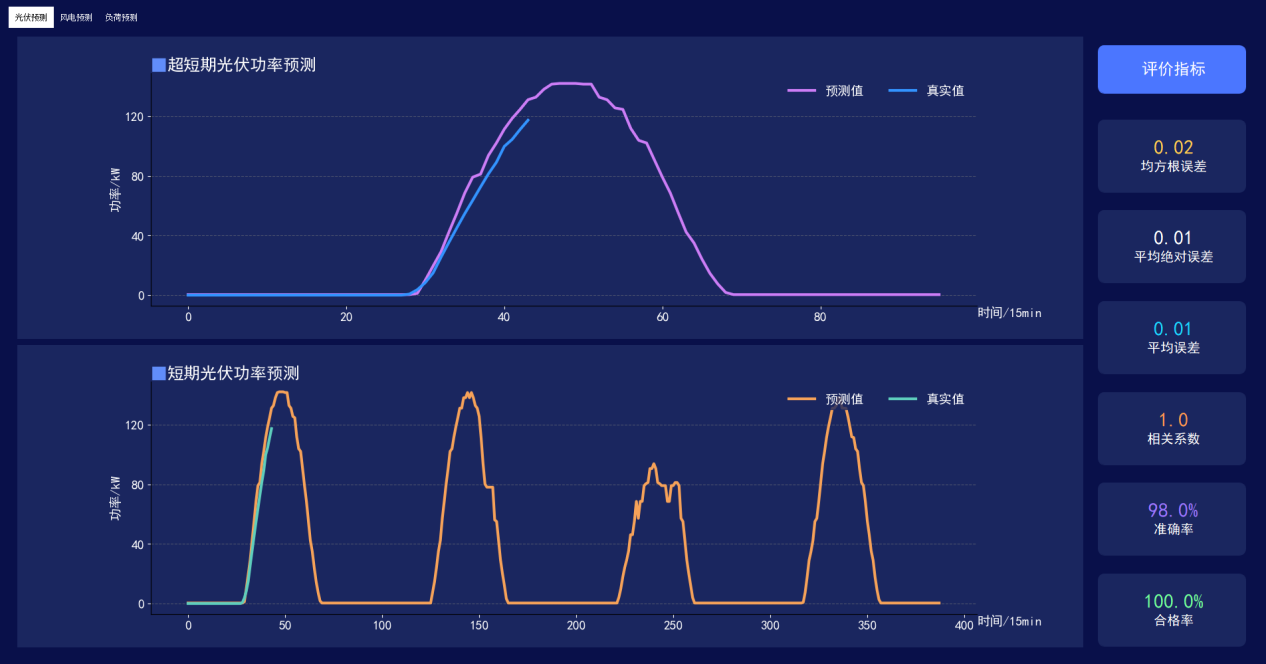
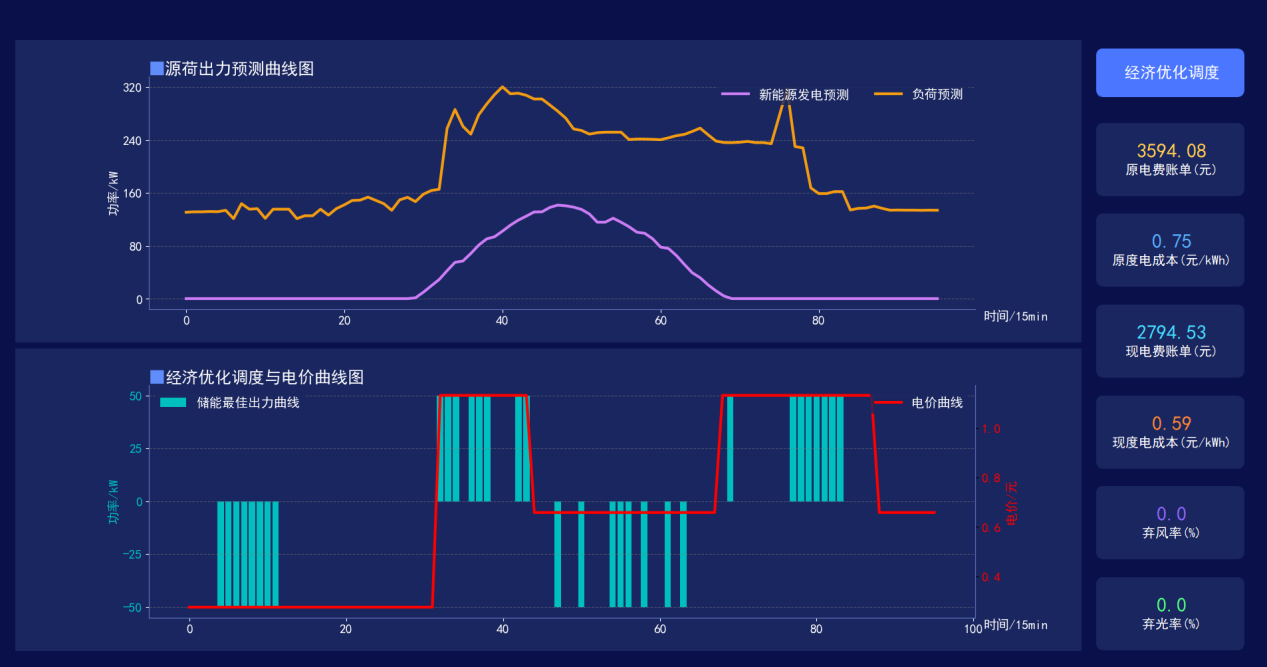
Based on a preliminary algorithm model, taking into account factors such as electricity market prices, user load demand, and distributed energy output forecasting, formulate*Excellent scheduling plan. When the electricity load suddenly increases, the system will automatically calculate the adjustable space of each distributed energy source, prioritize the use of energy storage systems with fast response speed and distributed power sources with stable output, and quickly supplement the power gap; During periods of low electricity prices, the energy storage system will be charged reasonably to reduce electricity costs.
4.4Aggregate resources
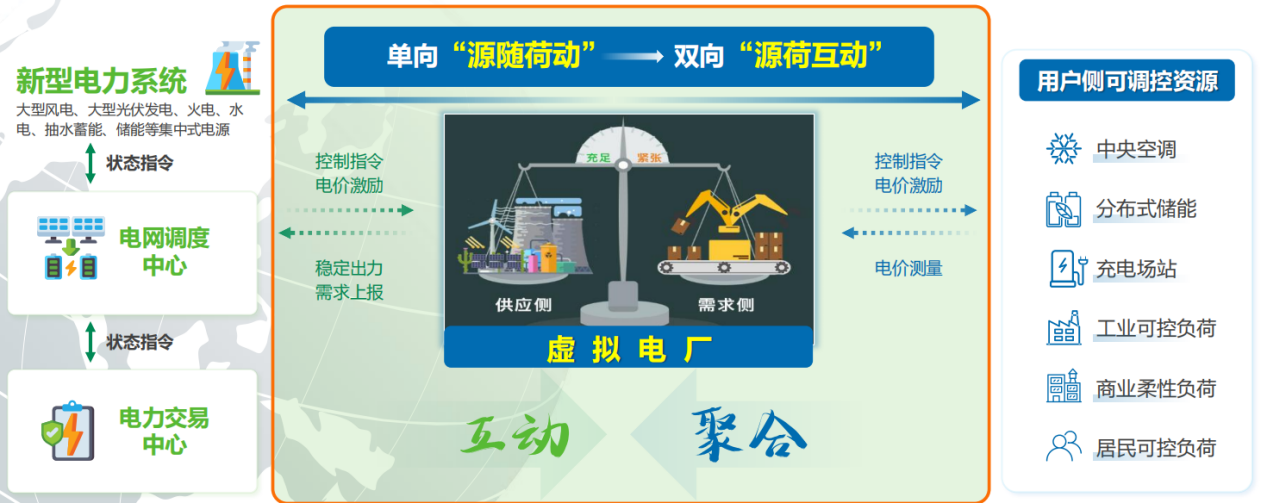
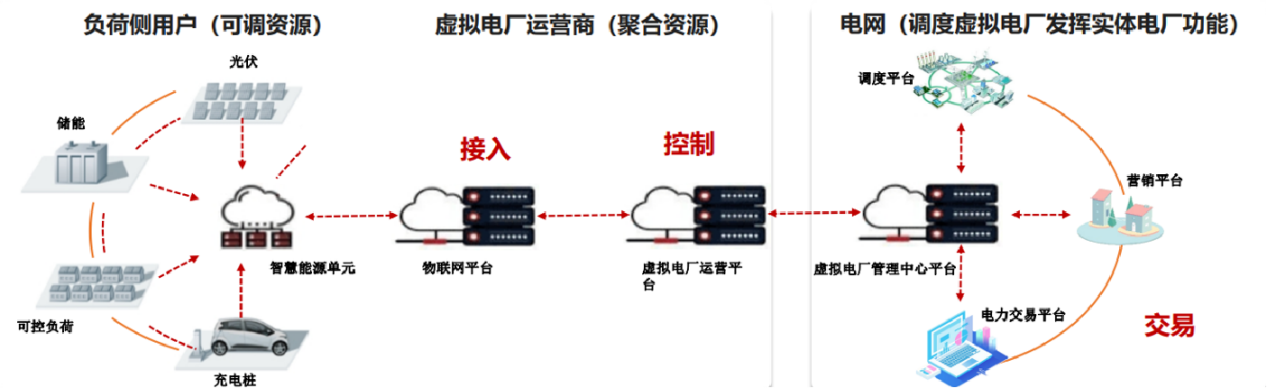
Aggregate photovoltaic, energy storage, charging piles, and air conditioning flexible loads within the microgrid;
Connect a single virtual power plant substation and an independent power household number to the upper level load aggregator or virtual power plant platform;
Fully leverage the flexible resource regulation capability of microgrids, empower energy assets to continue to increase in value in the future, and achieve overall returns*Large scale.
4.5Accurate trading settlement
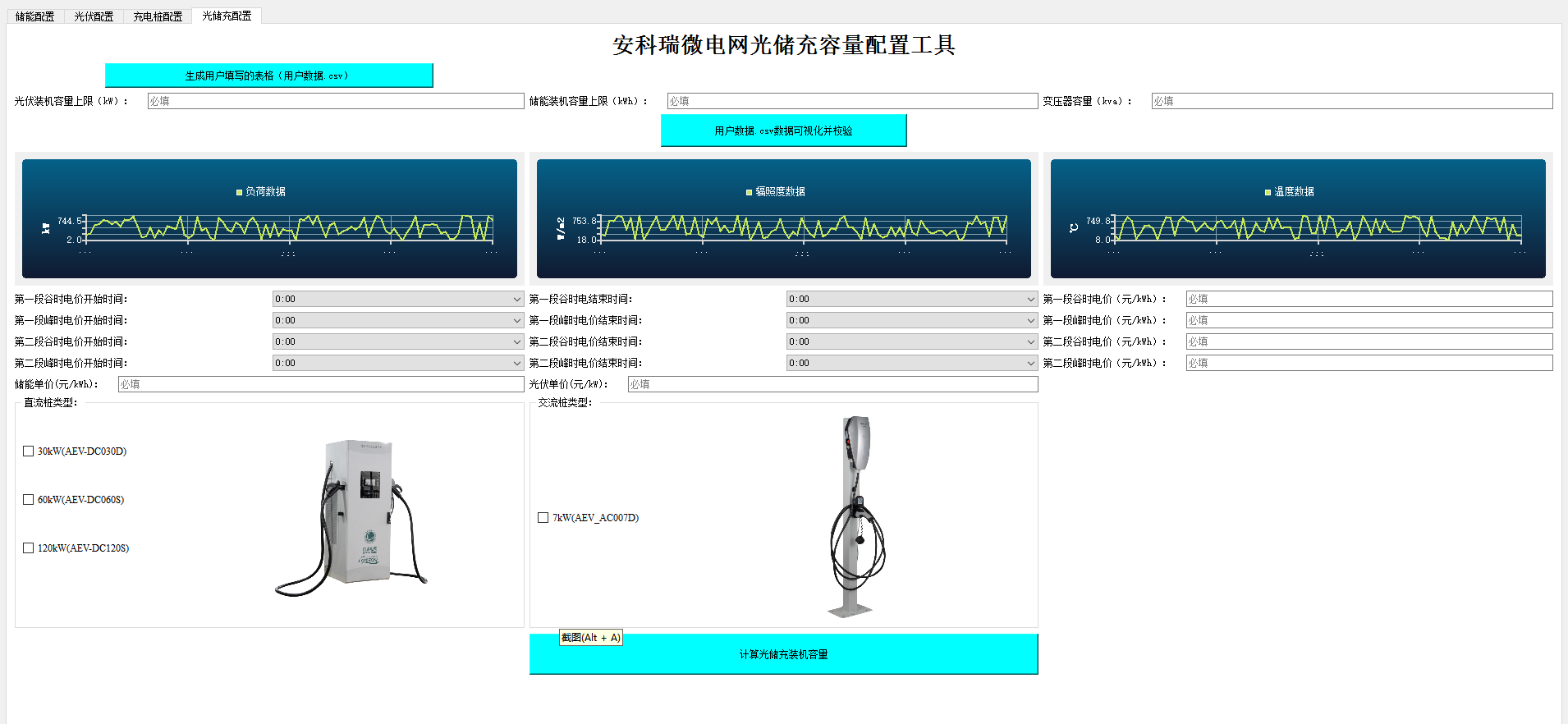
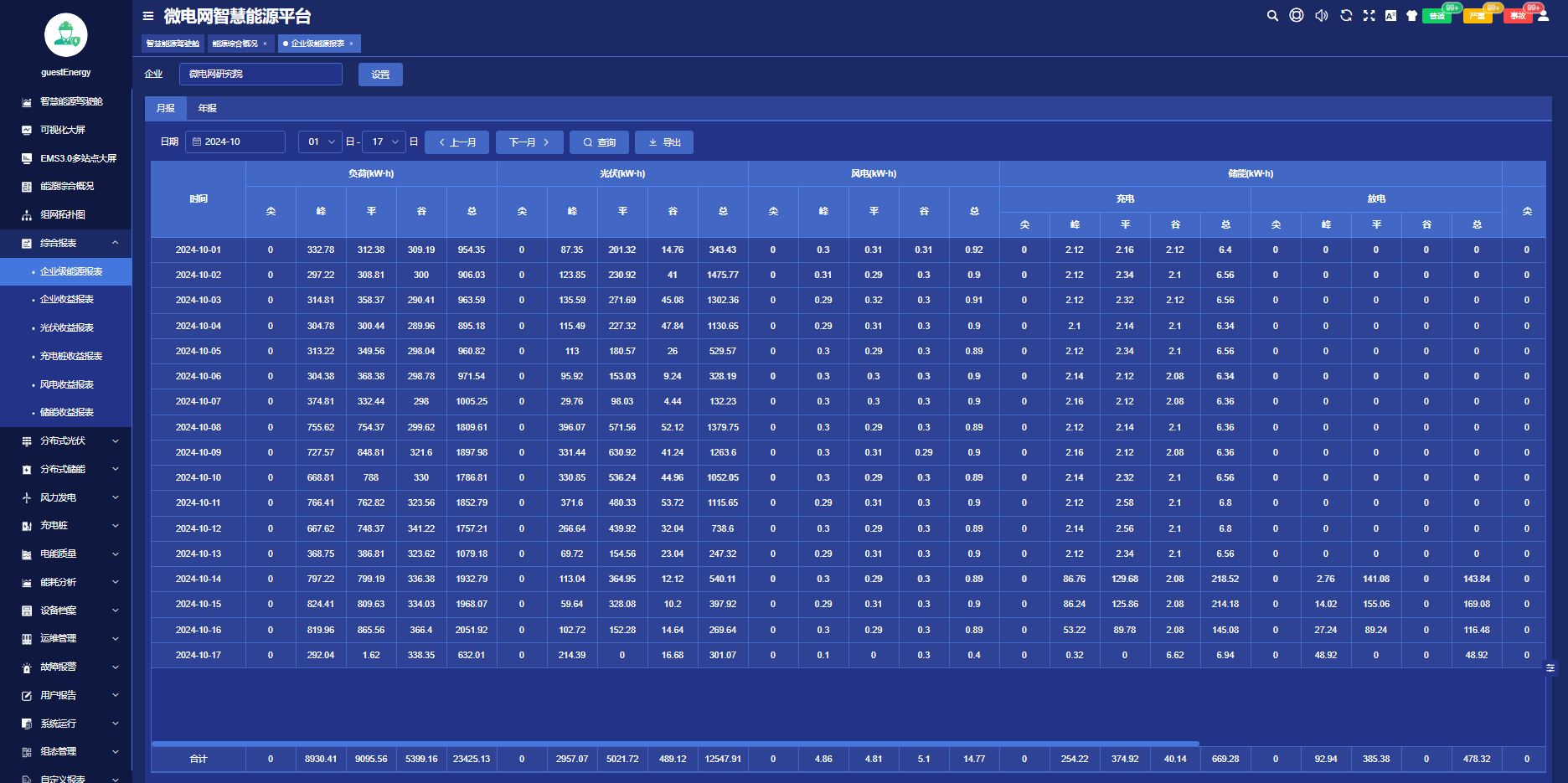
The transaction settlement subsystem seamlessly integrates with the electricity market platform to obtain real-time market transaction information. It can accurately measure the on grid electricity and purchased electricity of various distributed energy sources, and automatically complete the cost calculation and settlement process according to transaction rules. And it can generate detailed transaction lists and settlement reports, allowing operators and participants to clearly understand the details of each transaction, ensuring fairness and impartiality of the transaction.
4.6Equipment operation and maintenance management
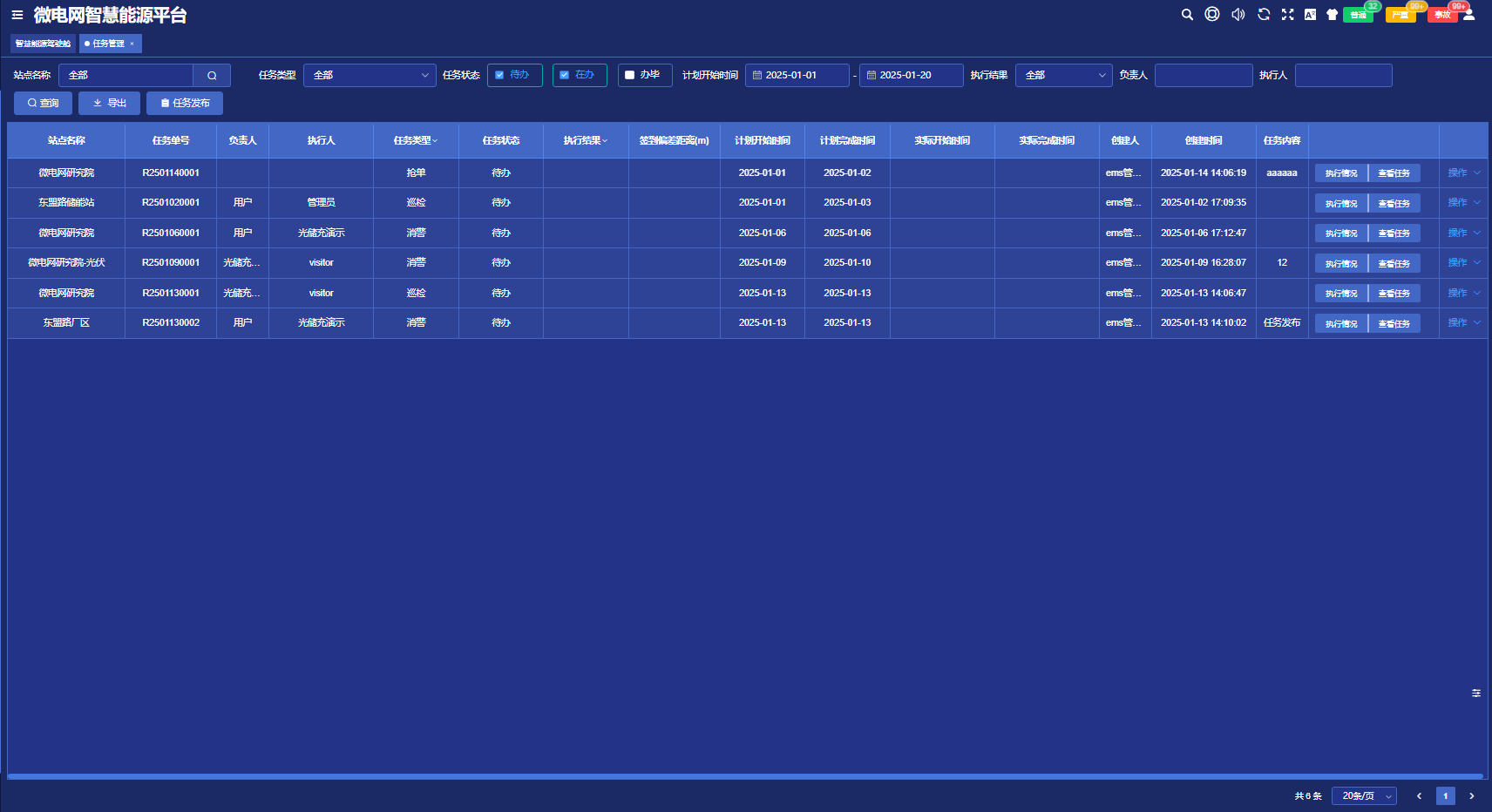
Perform full lifecycle management of various equipment within the virtual power plant, and provide early warning of equipment failure risks through real-time monitoring of equipment operation status. When the equipment encounters an abnormality, the system will promptly issue an alarm and provide fault location and repair suggestions, improving the reliability and service life of the equipment and reducing operation and maintenance costs.
5. Conclusion
The breakthrough path of virtual power plants is essentially a dual breakthrough of technological innovation and model innovation. Ankerui EMS3.0 breaks the limitations of traditional energy management systems with its core advantages of "full link interconnection, millisecond response, and intelligent scheduling", providing a one-stop solution for virtual power plants from data collection, analysis and decision-making to scheduling executionplan