-
E-mail
Mark@hojolo.com
-
Phone
18118173241
-
Address
No. 120 Changtai Road, Kunshan City
Product Categories
Kunshan Hanjilong Measurement and Control Technology Co., Ltd
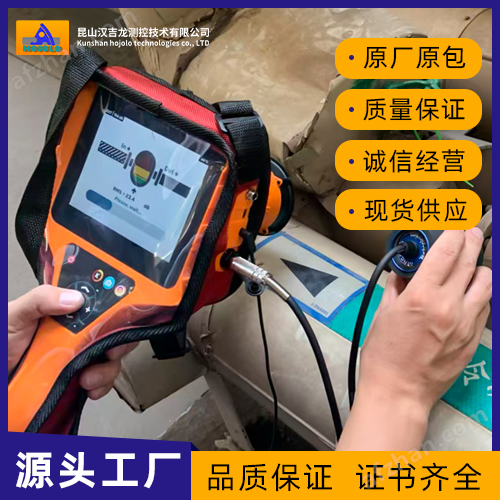
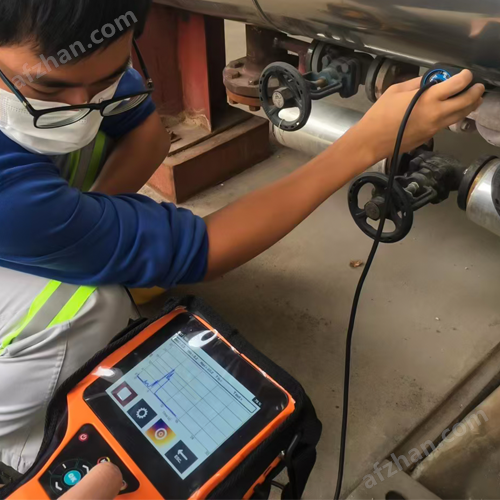


Floating ball steam trap ultrasonic valve leak detector
NegotiableUpdate on 01/08
- Model
- Nature of the Manufacturer
- Producers
- Product Category
- Place of Origin
Overview
The floating ball steam trap ultrasonic valve leak detector will emit different sounds. Their difference may be understood as "whistle and wave sound", with steam leakage resembling a whistle, with a light sound but a high pitch. But fluids cannot make such a sound, regardless of whether the amount of outflow is large or small. The sound emitted by the condensed water flowing through the drain valve has a lower pitch, so when the sound becomes more like steam flow, if the pitch is higher, there may be a large amount of flash steam or steam leakage from the drain valve. As mentioned earlier, an instrument that detects both temperature and ultrasound is an ideal type.
Product Details
Floating ball steam trap ultrasonic valve leak detector
Floating ball steam trap ultrasonic valve leak detector
The leakage of steam will produce different sounds. Their difference may be understood as "whistle and wave sound", with steam leakage resembling a whistle, with a light sound but a high pitch. But fluids cannot make such a sound, regardless of whether the amount of outflow is large or small. The sound emitted by the condensed water flowing through the drain valve has a lower pitch, so when the sound becomes more like steam flow, if the pitch is higher, there may be a large amount of flash steam or steam leakage from the drain valve. As mentioned earlier, an instrument that detects both temperature and ultrasound is an ideal type. Temperature readings are used to determine if the drain valve is clogged, and ultrasonic testing is used to detect if there is steam leakage, as the sound of steam leakage is significantly different from the sound of condensate discharge.


After proper filtering, these temperature and ultrasonic detection instruments can provide a correct reading for the inspector to make a judgment on the working conditions. Some experienced testing personnel can use ultrasonic testing instruments and even compare the same ultrasonic level with previous experience and internal data to automatically determine the testing results, which increases the accuracy of testing. Of course, besides the drain valve itself, detecting its surrounding equipment is also very important. Including the working conditions of manual valves, bypass valves, check valves, and gas equipment. Regularly optimizing your steam system can effectively improve process production efficiency and save energy. This requires our on-site staff to constantly summarize their experience, learn and apply, constantly improve, and achieve efficient use of drainage systems. It is possible and will also bring considerable economic benefits to the enterprise.


Common faults of steam trap valves generally include direct discharge, blockage, and leakage. 1、 Direct drainage of steam traps generally refers to the inability of steam traps to achieve the function of "draining and blocking steam". The continuous discharge of steam and condensate results in steam waste and reduced system efficiency. The possible reasons for direct discharge are as follows: 1. Problems with the components of the drain valve itself. 2. Improper selection and improper installation (such as incorrect installation orientation) are also possible reasons. 3. When the mechanical mechanism of the drain valve is stuck and unable to operate, a straight discharge phenomenon may also occur. The drain valve is blocked and cannot be opened, and steam and condensate cannot be discharged. Once this malfunction occurs, the condensed water inside the equipment will accumulate, affecting the normal operation of the equipment. The possible reasons for blockage include the following: 1. Problems with the components of the drain valve itself. 2. Improper selection of drain valves, steam locks, air blockages, and other reasons. 3. The filter screen, valve core, and even the front and rear piping of the drain valve are blocked by impurities and dirt.

The drain valve has no response for a long time, and the surface temperature of the valve decreases, which is the state where the drain valve cannot be opened. The reason for this malfunction is that: 1. The filter or piping is blocked by impurities or dirt, and condensed water cannot flow into the steam trap. Clean the dirt inside the filter, pipeline, and valve. 2. If the amount of condensed water discharged by the drain valve is very small or the action interval time is long, it is necessary to replace it with a drain valve with a smaller capacity. 3. The non condensate drain valve is hot and caused by steam or secondary steam. Once the steam is condensed, the steam blockage disappears. This is due to the improper installation of the steam trap valve, and there should be no stagnant condensate water in the middle of the inlet pipe. 4. The water hammer float is damaged and cannot float due to water ingress. It should be replaced with a new float. 5. Excessive pressure. The pressure of the steam equipment exceeds the high working pressure of the drain valve, making it unable to open. Replace the drain valve with a higher working pressure or adjust to reduce the working pressure of the steam consuming equipment. 6. Vacuum occurs in the coil of the water heater, hindering discharge. Install a vacuum breaker between the heat exchanger and the water valve. How to distinguish the failure of different drain valves? The judgment methods for different drain valves are different. Simple methods require a lot of experience, and of course, there are also many methods for drain valves, which require some equipment. If you say it's severe condensation, it means the drain valve is not draining or the drainage volume is lower than the amount of condensation produced, which can be easily seen on site. However, there are many reasons that can cause severe water hammer, such as improper selection, incorrect installation methods, lack of filters in front of the drain valve, or filter failure, resulting in blockage of the drain valve.
Similar Product Recommend