-
E-mail
sales11@handelsen.cn
-
Phone
18301216381
-
Address
Room C-1035, Xuhui Airport Center, Nanfaxin Town, Shunyi District, Beijing
Product Categories
Beijing Handasen Machinery Technology Co., Ltd


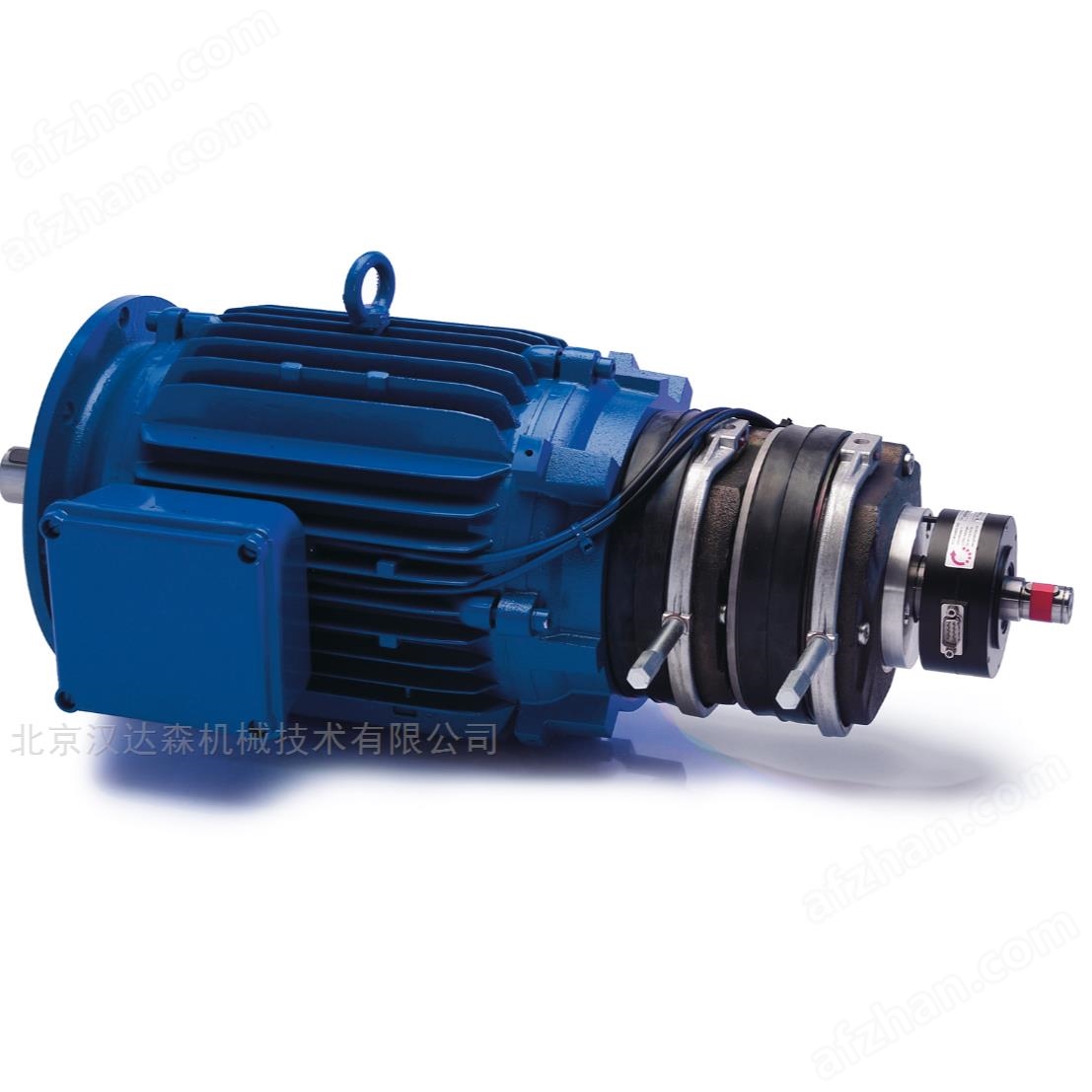

German HEW asynchronous three-phase AC motor RF132S/6-B32H
NegotiableUpdate on 01/08
- Model
- Nature of the Manufacturer
- Producers
- Product Category
- Place of Origin
Overview
The German HEW asynchronous three-phase AC motor RF132S/6-B32H $r $n is the focus of this article. The DCEx 80 LH/6K asynchronous three-phase motor produced by the German HEW company adopts the "explosion-proof pressurized packaging" (Druckfeste Kapselung) explosion-proof technology, which meets the Ex db eb IIC T4 Gb explosion-proof standard and is designed specifically for hazardous areas. The article analyzes from five dimensions: technical parameters, protective structure, operating characteristics, application scenarios, and maintenance points, aiming to provide comprehensive technical references for industrial users.
Product Details
German HEW asynchronous three-phase AC motor RF132S/6-B32HTechnical Analysis
summary
This article provides a technical analysis of the RF132S/6-B32H asynchronous three-phase AC motor produced by HEW Company in Germany, focusing on its design features, performance parameters, application scenarios, and maintenance points. This motor has demonstrated significant advantages in industrial automation, pump drives, fan systems, and other fields due to its high efficiency, high protection level, and modular design.
keywords
Asynchronous three-phase AC motor; RF132S/6-B32H; Protection level; industrial applications
1. Introduction
As a manufacturer in the field of industrial motors in Europe, HEW Germany's RF132S/6-B32H asynchronous three-phase AC motor plays an important role in industrial automation, pump drives, fan systems, and other fields due to its performance and reliability. This article systematically analyzes the design characteristics, performance advantages, and application scenarios of this model of motor based on its technical parameters.
2. Motor design features
2.1 Basic Parameters and Operating Modes
The motor model is RF132S/6-B32H, with a rated power of 3.0 kW. It adopts S1 continuous working system and is suitable for industrial scenarios with long-term stable operation. Its synchronous speed is 950 r/min (50 Hz), meeting the requirements of medium and low-speed driving. In terms of voltage parameters, it supports 230/400 V dual voltage input, with a wiring method of D/S (delta/star), suitable for different power grid environments.
2.2 Protection level and heat dissipation design
The motor protection level reaches IP55, which can effectively prevent dust from entering and low-pressure water column spraying, suitable for harsh working conditions such as humidity and high dust. The thermal classification is F level, and the insulation material has a temperature resistance of 155 ℃. Coupled with an efficient heat dissipation structure, it ensures long-term operational stability.
2.3 Mechanical Structure and Installation Method
The motor adopts B5 installation method (flange installation), with a flange outer diameter of 300 mm, a shaft diameter of 38 mm, and a shaft length of 80 mm, making it easy to quickly connect with the driving equipment. Its braking torque reaches 32 Nm, coupled with 205 V excitation voltage and 230 V control voltage, achieving precise shutdown control.
3. Performance parameter analysis
3.1 Power and Efficiency
The rated power of 3.0 kW covers light to medium load conditions, but the efficiency level is not indicated, and energy efficiency evaluation needs to be carried out based on specific application scenarios. It is recommended that users prioritize using variable frequency drive (VFD) systems to optimize load matching through speed regulation and reduce energy consumption.
3.2 Electrical compatibility
The dual voltage input design (230/400 V) and D/S wiring method enable flexible connection to three-phase 380 V or single-phase 230 V systems, simplifying the design of electrical cabinets. Attention should be paid to synchronously adjusting the wiring method during voltage switching to avoid motor overheating.
3.3 Environmental adaptability
IP55 protection level and F-grade insulation material enable it to withstand environmental temperatures ranging from -15 ℃ to+40 ℃. In working conditions such as high temperature and high humidity, it is recommended to install external cooling devices or regularly maintain the cooling system.
4. Application scenarios and advantages
4.1 Industrial Automation
In the fields of CNC machine tools, packaging machinery, etc., this motor achieves high-precision motion control through variable frequency speed regulation. Its braking torque and fast response characteristics can significantly shorten downtime and improve production efficiency.
4.2 Pump Drivers
For equipment such as water pumps and sewage pumps, the high protection level and heat dissipation design of the motor can effectively resist liquid splashing and high temperature environments. Combined with pressure sensors, closed-loop flow control can be achieved.
4.3 Fan system
In the HVAC system, the motor optimizes the air output by adjusting the speed, reducing noise and energy consumption. Its modular design facilitates integration with devices such as frequency converters and PLCs to build an intelligent ventilation network.
5. Maintenance and troubleshooting
5.1 Daily Maintenance
Bearing inspection: Lubricating grease should be replenished every 2000 hours of operation, and it is recommended to use high-temperature bearing grease.
Insulation testing: Use a megohmmeter to test the insulation resistance every quarter to ensure it is ≥ 2 M Ω.
Clean the heat sink: Regularly remove dust to prevent an increase in thermal resistance.
5.2 Typical Fault Handling
Overheating alarm: Check the load rate, ventilation conditions, and voltage stability, and replace the cooling fan if necessary.
Abnormal vibration: Check the rotor dynamic balance and bearing wear, and perform on-site dynamic balance correction if necessary.
Insulation breakdown: Investigate factors such as humidity, chemical corrosion, and voltage fluctuations, and if necessary, rewire the coil.
6. Industry application cases
6.1 Case 1: Food Processing Production Line
A certain dairy enterprise uses RF132S/6-B32H motor to drive the conveyor belt, and achieves stepless speed regulation from 0-1500 r/min through a frequency converter. Combined with torque sensors, it achieves precise material measurement and increases production efficiency by 25%.
6.2 Case 2: Sewage Treatment System
A certain water group uses this model of motor to drive submersible pumps, with an IP55 protection level to ensure stable operation of the equipment in the sewage tank. It is equipped with a liquid level sensor to achieve automatic start stop, reducing annual maintenance costs by 40%.
7. Future Development Trends
7.1 Digital Integration
With the advancement of Industry 4.0, motors will integrate more sensors (such as vibration and temperature sensors) and achieve remote monitoring and predictive maintenance through the Internet of Things (IoT).
7.2 Efficient Design
The new generation of motors will adopt permanent magnet synchronous technology, with efficiency levels upgraded to IE4/IE5, further reducing energy consumption and carbon emissions.
7.3 Modular Expansion
By standardizing interfaces and communication protocols such as PROFINET and EtherCAT, motors can be quickly integrated into automated production lines, shortening equipment debugging cycles.
8. Conclusion
The German HEW RF132S/6-B32H asynchronous three-phase AC motor has become the preferred solution in the industrial drive field due to its reliable design, flexible electrical compatibility, and wide range of application scenarios. In the future, with the integration of digital and efficient technologies, this model of motor will play a greater value in fields such as intelligent manufacturing and green energy. It is recommended that users choose appropriate frequency converters and control systems based on specific working conditions to achieve the optimal utilization of motor performance.
German HEW asynchronous three-phase AC motor RF132S/6-B32HTechnical Analysis
Similar Product Recommend

