-
Phone
13813156012
-
Address
Zhenxing North Road, Zhenwu Town, Jiangdu District, Yangzhou City, Jiangsu Province
Product Categories
- Density meter
- melt indexer
- Elasticity meter
- Digital tensile machine
- compression set
- mould
- Thickness gauge
- Low temperature brittleness tester
- Computer tensile machine
- Planing machine
- Plasticity testing machine
- Notch prototype
- Fatigue cracking testing machine
- Cutting knife
- Insulation resistance meter
- Compression stress relaxation instrument
- Mooney Viscometer
- Dumbbell prototype
- Roller Wear Machine
- Akron abrasion machine
- Hot deformation Vicat
- Rubber cutting machine
- Special film paper for vulcanizing tester Menni
- Double head slicer
- impact testing machine
- Tensile testing machine
- Hardness tester
- Vulcanizer, Rotorless Vulcanizer, Rheometer, Rotorless Rheometer
- Aging chamber, ozone aging chamber
Yangzhou Zhengyi Experimental Machinery Co., Ltd
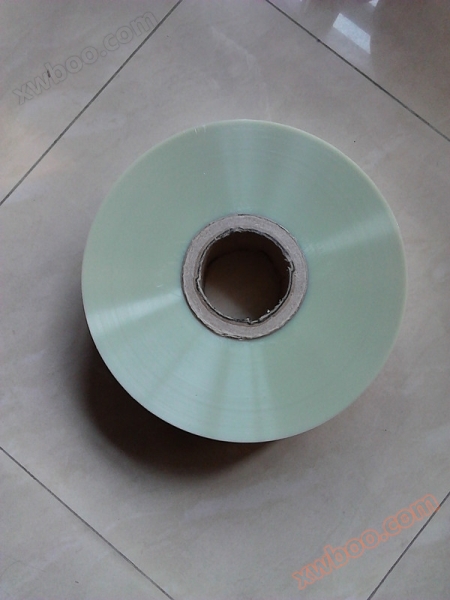
Special film paper for vulcanizing tester Menni
NegotiableUpdate on 04/08
- Model
- Nature of the Manufacturer
- Producers
- Product Category
- Place of Origin
Overview
Special film paper for vulcanizing tester Menni
Product Details
Product specifications: 80mm (width) * 18um (thickness)
Product Features
The special film paper (glass paper) for vulcanizing instruments is used in rubber vulcanizing instruments and Mooney viscometers to reduce the large error of ordinary film paper (glass paper). It can protect the difficult problem of cleaning the adhesive in the mold cavity and ensure that the test data is not distorted.
Vulcanizers are widely used in rubber batching and processing plants worldwide. These instruments can test the quality of the rubber material, predict the performance of the rubber material and the characteristics of the finished product during the molding process. Accuracy and repeatability are extremely important, and readings must accurately display the sample and not be affected by negative external factors. The strain value of the thin film used in the vulcanizing instrument should not affect the rubber material, otherwise it will distort the accuracy of torque readings and predicted results. Testers also do not wish for the film to not fully cover the sample, or for sliding or burning through to occur during vibration and torque readings, as these would increase the workload of the tester and result in unnecessary cleaning and retesting.
This film has outstanding characteristics such as high temperature resistance, high toughness, and low stress. It can withstand a high temperature of 200 degrees and does not dissolve after 20 minutes of testing. It can provide more accurate data and has superior performance when used in extreme high temperatures for a long time. According to industrial reports, this film can be quickly and conveniently formed in a heated mold, tightly adhering to the grooves of the sample. When the mold vibrates, the strain of the film has minimal impact and does not have a negative effect on the data that provides basic information. During the vibration process, it can avoid burning through, sliding, and other troublesome issues. Overall, this film can provide testers with more accurate and reproducible data.


