-
E-mail
apkjtsx@foxmail.com
-
Phone
13316686114
-
Address
Building B, Qianhong Industrial Park, No. 53 Wanbu Road, Changping Town, Dongguan City
Product Categories
Guangdong Aipei Testing Equipment Co., Ltd
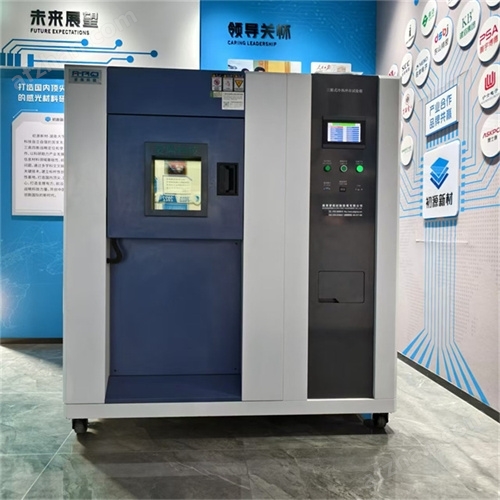


Alternating high and low temperature impact three box test chamber
NegotiableUpdate on 02/24
- Model
- Nature of the Manufacturer
- Producers
- Product Category
- Place of Origin
Overview
The alternating high and low temperature impact three box test box is suitable for the physical changes of electrical, electronic, mechanical and other components, automation parts, communication products or components, chemical materials, hardware and plastics, LED, LCD optoelectronics, photovoltaics, lighting, semiconductor ceramics and polymer materials. It tests the rapid and repeated resistance of materials to cold and hot temperatures, as well as the chemical changes or physical damage that occur when industrial products are in an environment of thermal expansion and contraction. It can confirm the quality of industrial products, from precision ICs to heavy machinery components, and can serve as a basis or reference for improving the quality of many products in the industrial industry.
Product Details
Alternating high and low temperature impact three box test chamberSuitable for the physical changes of electrical, electronic, and mechanical components, automation parts, communication products or components, chemical materials, hardware and plastics, LED, LCD optoelectronics, photovoltaics, lighting, semiconductor ceramics, and polymer materials. It tests the rapid and repeated resistance of materials to cold and hot temperatures, as well as the chemical changes or physical damage that occur when industrial products are in an environment of thermal expansion and contraction. It can confirm the quality of industrial products, from precision ICs to heavy machinery components, and can serve as a basis or reference for improving the quality of many products in the industrial industry. In order to assess the adaptability of the product or evaluate the behavior of the tested product. It is an important testing method throughout the entire process of new product development, prototype testing, and product qualification testing.
Technical Specifications:
Temperature range: A: -40 ℃ to+150 ℃; B:-55℃~+150℃; A:-65℃~+150℃
Preheating temperature in high temperature zone: 60 ℃~200 ℃
Pre cooling temperature in low temperature zone: -10 ℃~-55 ℃, -10 ℃~-65 ℃, -10 ℃~-75 ℃ (this temperature will be adjusted according to the temperature range in the testing zone)
Temperature distribution uniformity: ± 2 ℃
Temperature fluctuation: ± 0.5 ℃
Temperature recovery time: 3-5 minutes
Preheating temperature and heating time in high temperature zone: 150 ℃/30min, 150 ℃/40min, 150 ℃/40min, 150 ℃/40min
Pre cooling temperature and cooling time in low-temperature zone:
-40℃/60min, -55℃/70min, -65℃/80min
- 40℃/70min, -55℃/80min, -65℃/90min
-40℃/80min, -55℃/90min -65℃/100min
-40℃/90min, -55℃/100min, -65℃/110min
Heating system: Nickel chromium alloy stainless steel tube heater
Circulating system: Multi blade centrifugal circulating fan
Control system: Color LCD touch screen controller
Inner box material: SUS # 304 stainless steel plate
Outer box material: SUS # 304 yarn surface stainless steel or cold drawn steel spray treatment
Insulation material: Hard polyurethane foam
Alternating high and low temperature impact three box test chamberBasic operating procedures and precautions
1. Operation steps
Preparation stage: Ensure stable laboratory power supply, check if the equipment wires are damaged, and place the equipment on a flat surface, away from heat and water sources.
Turn on the device: Turn on the power switch and wait for the device to warm up, so that the temperature and humidity inside the box reach the preset value.
Place the sample: Place the sample on the sample rack, keeping a certain distance from the box wall to ensure air circulation.
Set temperature: Set high temperature, low temperature, and temperature change time on the control panel according to experimental requirements.
Start experiment: After pressing the start button, closely monitor the operating status of the equipment.
Post experiment processing: After turning off the equipment, take out the sample and wear protective gloves to avoid burns or frostbite.
Cleaning equipment: Clean the internal dust and debris after each use, and regularly check the integrity of the wiring and components.
2. Key precautions
Safety warning: Strictly abide by safety regulations, avoid accidents such as electric shock and burns, and stop operation immediately in case of abnormal situations.
Temperature control: Regularly calibrate equipment to ensure temperature accuracy and avoid drastic temperature changes affecting sample performance.
Record keeping: Detailed records of the operation process, sample information, and results of each experiment.
*Business training: Operators must possess professional knowledge and skills, and are not allowed to change experimental parameters without authorization.
Similar Product Recommend