-
E-mail
sale@jianlun.com
-
Phone
18925052681
-
Address
Room 101-103, Building 2, Phase II, No. 63 Chuangqi Road, Shilou Town, Panyu District, Tsinghua Science and Technology Park, Guangzhou
Product Categories
Guangzhou Jianlun Biotechnology Co., Ltd


Cholera Solitary Bacteria (Group 01 and 0139) Detection Kit
NegotiableUpdate on 01/08
- Model
- Nature of the Manufacturer
- Producers
- Product Category
- Place of Origin
Overview
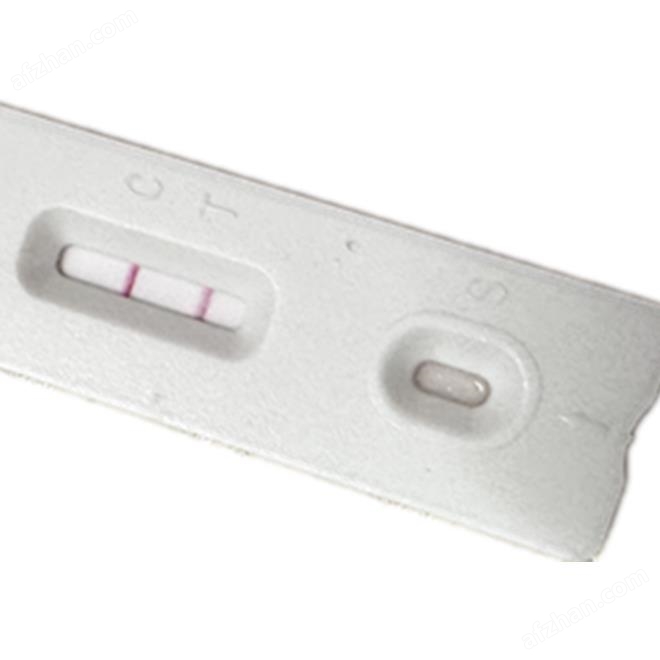
The detection kit for Vibrio cholerae (01 and 0139 groups) is used for qualitative detection of Vibrio cholerae O1 and O139 groups in fecal samples. The colloidal gold immunochromatographic double antibody sandwich method is used to detect the antigen (Ag) of Vibrio cholerae O1 and O139 groups in the samples, with colloidal gold as the label and nitrocellulose membrane as the coating carrier.
Product Details
Cholera Solitary Bacteria (Group 01 and 0139) Detection Kit(Colloidal gold method)
This product is used for qualitative detection of Vibrio cholerae O1 and O139 groups in fecal samples. The colloidal gold immunochromatographic double antibody sandwich method is used to detect Vibrio cholerae O1 and O139 group antigens (Ag) in the samples. Colloidal gold is used as the marker, and nitrocellulose membrane is used as the coating carrier. The nitrocellulose membrane is coated with two types of antibodies, one is the monoclonal antibody (Ab) against Vibrio cholerae O1 or O139 group, which is used to capture antigens in the specimen; Another type is sheep anti mouse multi antibody, used for quality control of this test strip. Combined with other raw materials, assemble into test strips. During the detection process, the specimen is moved by the chromatographic action of the microporous membrane, and antigen antibody reactions occur during the movement.
This product is only used for qualitative detection of Vibrio cholerae O1 and O139 in suspected infected specimens for medical research and cannot be used in clinical practice.

Overview
Vibrio cholerae is a Gram negative bacterium that is the pathogen causing acute intestinal infectious disease - cholera.
Pathogen characteristics
Morphology and classification: The bacterial cells are arc-shaped or punctate in shape, with a long flagellum, and are very active in movement. Among them, O1 and O139 groups are the main serum groups that cause cholera epidemics.
viability:
It can survive for a long time in natural environments, such as at the junction of river water and brackish water.
Sensitive to heat and disinfectants, can be killed by boiling.
Not acid resistant, normal stomach acid can kill most Vibrio cholerae.
route of transmission
Cholera is a typical disease that is transmitted through the digestive tract through the mouth and does not spread directly through the air.
Water source transmission: is the main route of transmission. Drinking raw water contaminated with the patient's feces or vomit, or rinsing mouth or washing utensils with contaminated water.
Food transmission: consuming contaminated fresh or undercooked aquatic products (such as fish, shrimp, crabs, shellfish), or eating contaminated vegetables and fruits raw.
Contact transmission: After coming into contact with the items of a patient or carrier, hands become contaminated and then come into contact with food.
Prevention and Control
The key to preventing cholera lies in "managing water, feces, and food" and personal hygiene.
The Five Essentials:
Wash hands before meals and after using the restroom
Food should be cooked thoroughly
Raw and cooked food should be separated
The food between meals should be thoroughly heated
If symptoms appear, seek medical attention
Five Don'ts ":
Do not drink raw water that has not been boiled
Unlicensed restaurants are not visited
Do not eat rotten food
Do not touch unsterilized (cholera contaminated) items
Do not hold large gatherings during the period of pollution

Similar Product Recommend