-
E-mail
sale@jianlun.com
-
Phone
18925052681
-
Address
Room 101-103, Building 2, Phase II, No. 63 Chuangqi Road, Shilou Town, Panyu District, Tsinghua Science and Technology Park, Guangzhou
Product Categories
Guangzhou Jianlun Biotechnology Co., Ltd
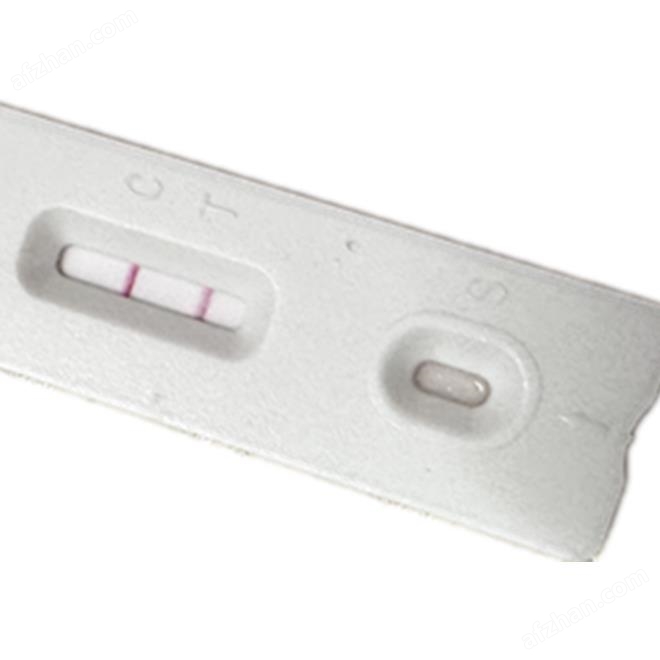
Q Rickettsia enzyme-linked immunosorbent assay reagent (scientific research specific)
NegotiableUpdate on 01/08
- Model
- Nature of the Manufacturer
- Producers
- Product Category
- Place of Origin
Overview
Q Rickettsia enzyme-linked immunosorbent assay reagent (research specific) $r $n is used to test antibodies against Burkholderia cepacia in human serum/plasma. Coxiella burnetii is the pathogen responsible for Q fever (also known as Kou fever).
Product Details

Q Rickettsia enzyme-linked immunosorbent assay reagent, used to test antibodies against Burkholderia cepacia in human serum/plasma. Coxiella burnetii is the pathogen responsible for Q fever (also known as Kou fever).
Q fever is a zoonotic disease caused by C. burnetii, a global intracellular bacterium. It infects various animals, including livestock, wild animals, and ticks as vectors. Human infections typically occur through inhalation of infectious aerosols or contaminated dust from infected animal body fluids such as urine, feces, milk, or birth products.
1. Q fever rickettsia
featureHighly contagious, it is one of the known highly contagious pathogens,Inhaling a single microorganism may cause illnessHas strong resistance to dryness, temperature changes, and many disinfectants, and can survive in the environment for a long time.
2. Host, transmission route, and epidemiology
Main animal hosts:livestockIt is a common source of infection, especiallyCattle, sheep, goatsThese animals are usually asymptomatic or present with miscarriage after infection, but will pass through during deliveryPlacenta, amniotic fluid, secretionsEliminate a large amount of pathogens.
Other hostsCats, dogs, wild animals, birds, ticks (can serve as storage hosts and transmission vectors).
Main transmission routes:
Air/aerosol transmissionInhale dust or aerosols contaminated with pathogens (such as wind from contaminated livestock farms, fur processing plants, and animal delivery sites). This ismost importantThe way.
direct contactContact with infected animal tissues, body fluids, excreta, especially birth products.
Oral transmissionDrinking unpasteurized contaminated dairy products (less common).
Tick biteIt can be transmitted between animals through ticks, but transmission through tick bites is rare in humans.
epidemiologyGlobal distribution, common in livestock farming regions such as Australia, the United States, Europe, and China. Often caused by occupational diseases, high-risk groups include:Veterinarians, slaughterhouse workers, herders, fur processors, laboratory researchers.
Similar Product Recommend
