-
E-mail
sale@jianlun.com
-
Phone
18925052681
-
Address
Room 101-103, Building 2, Phase II, No. 63 Chuangqi Road, Shilou Town, Panyu District, Tsinghua Science and Technology Park, Guangzhou
Product Categories
Guangzhou Jianlun Biotechnology Co., Ltd


Ebola virus antigen (EBoV Ag) detection reagent (colloidal gold)
NegotiableUpdate on 01/08
- Model
- Nature of the Manufacturer
- Producers
- Product Category
- Place of Origin
Overview
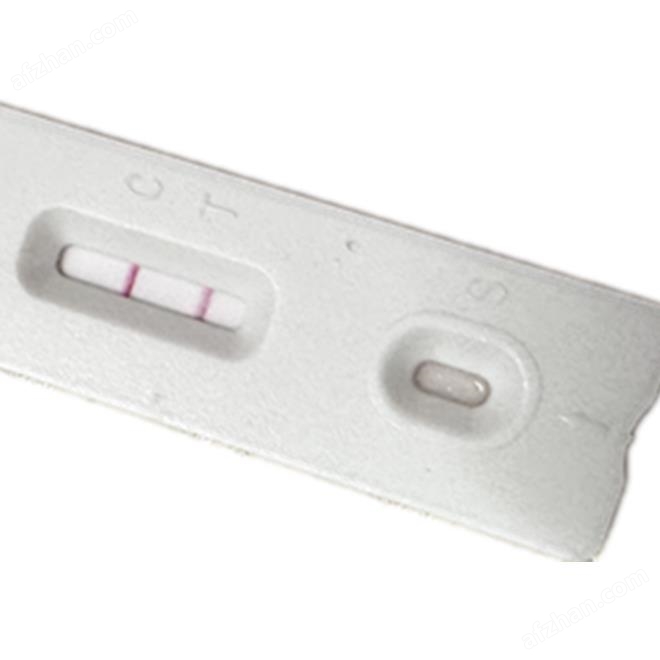
The Ebola virus antigen (EBoV Ag) detection reagent (colloidal gold) uses Ebola virus specific monoclonal antibodies and sheep anti mouse IgG coated with nitrocellulose membrane as the detection line and quality control line, respectively. The colloidal gold labeled Ebola virus specific monoclonal antibodies and other reagents are used to qualitatively detect Ebola virus antigen in the sample using the chromatographic double antibody sandwich principle.
Product Details
This product uses Ebola virus specific monoclonal antibodies and sheep anti mouse IgG coated with nitrocellulose membranes as detection and quality control lines, respectively. It is composed of colloidal gold labeled Ebola virus specific monoclonal antibodies and other reagents. The chromatographic double antibody sandwich principle is applied to qualitatively detect Ebola virus antigens in the sample
This product is only used for medical research on suspected Ebola virus antigen samples in environmental pollutants and cannot be used in clinical practice.
Overview
Ebola virus disease is an acute viral infection caused by the Ebola virus
route of transmission
Ebola virus is transmitted through direct contact and is not widely spread through air, water, or food. Human to human transmission: mainly through direct contact with damaged skin or mucous membranes. Animal to human transmission: In Africa, infection is usually caused by handling infected fruit bats or non-human primates (such as gorillas and chimpanzees).
The Ebola virus is mainly transmitted throughdirect contactSpread,won'tWidely spread through air, water, or food.
human to human transmission: Through contact with infected individualsBlood, secretions, organs, or other bodily fluids, as well as surfaces and materials contaminated by these bodily fluids (such as bed sheets, clothing).
Animal to human transmissionContact with the blood, secretions, organs, or raw meat of wild animals infected with the virus (such as bats, porcupines, non-human primates).
recovererAfter recovery, the virus may remain in bodily fluids such as semen for several months and still have potential infectivity.
Similar Product Recommend